
Polymeric Sand: Re-Sanding Pavers After a Clean
Cleaning a paver patio or driveway does something you might not expect: it removes some of the sand from the joints between the pavers. That is not a flaw in the cleaning, it is a prompt to do the step that keeps pavers performing, re-sanding. And in our wet, weedy climate, the sand you use matters.
Here is why re-sanding matters and why polymeric sand is usually the right choice.
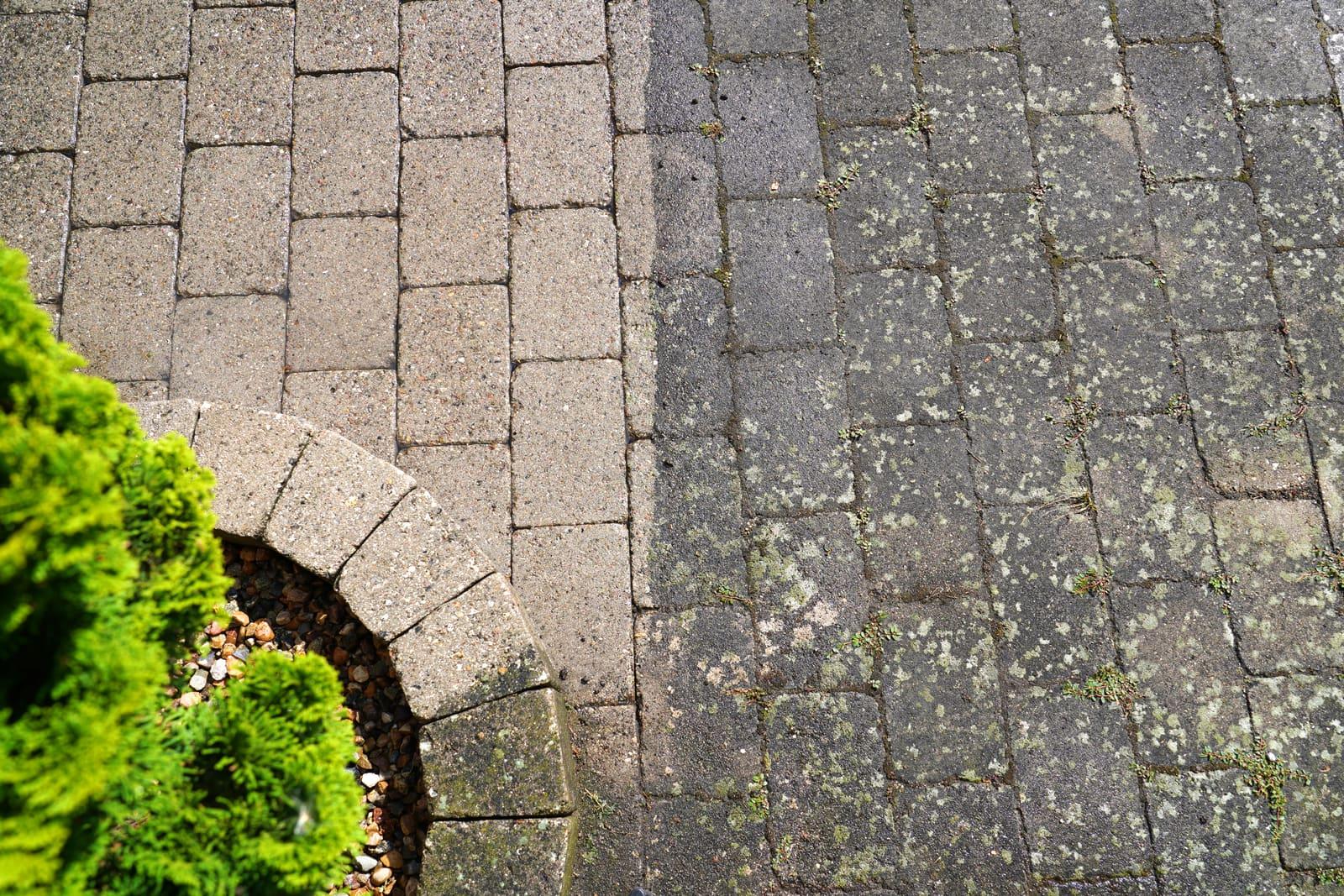
Why the joint sand matters
Pavers are not fixed down, they interlock, and the sand packed into the joints is what keeps them from shifting, spreading and rocking. When cleaning removes some of that sand, the pavers lose a bit of that lock, and open joints invite weeds, ants and washout. Re-sanding restores the system.
This is why a thorough clean and a re-sand go together. Cleaning without re-sanding leaves the joints depleted, and skipping the clean to avoid disturbing the sand just leaves the moss and weeds in place.
Why polymeric sand
Polymeric sand contains binders that harden when the sand is swept into dry joints and then lightly wetted. Once set, it locks the pavers firmly, resists washout in heavy rain, and strongly discourages weeds and ants from establishing in the joints, all of which plain sand does poorly here.
It is applied after the pavers are cleaned and fully dry: swept into the joints, compacted, excess brushed off, then activated with a light misting. Done right, it firms up into joints that stay put through our wet season far better than loose sand.
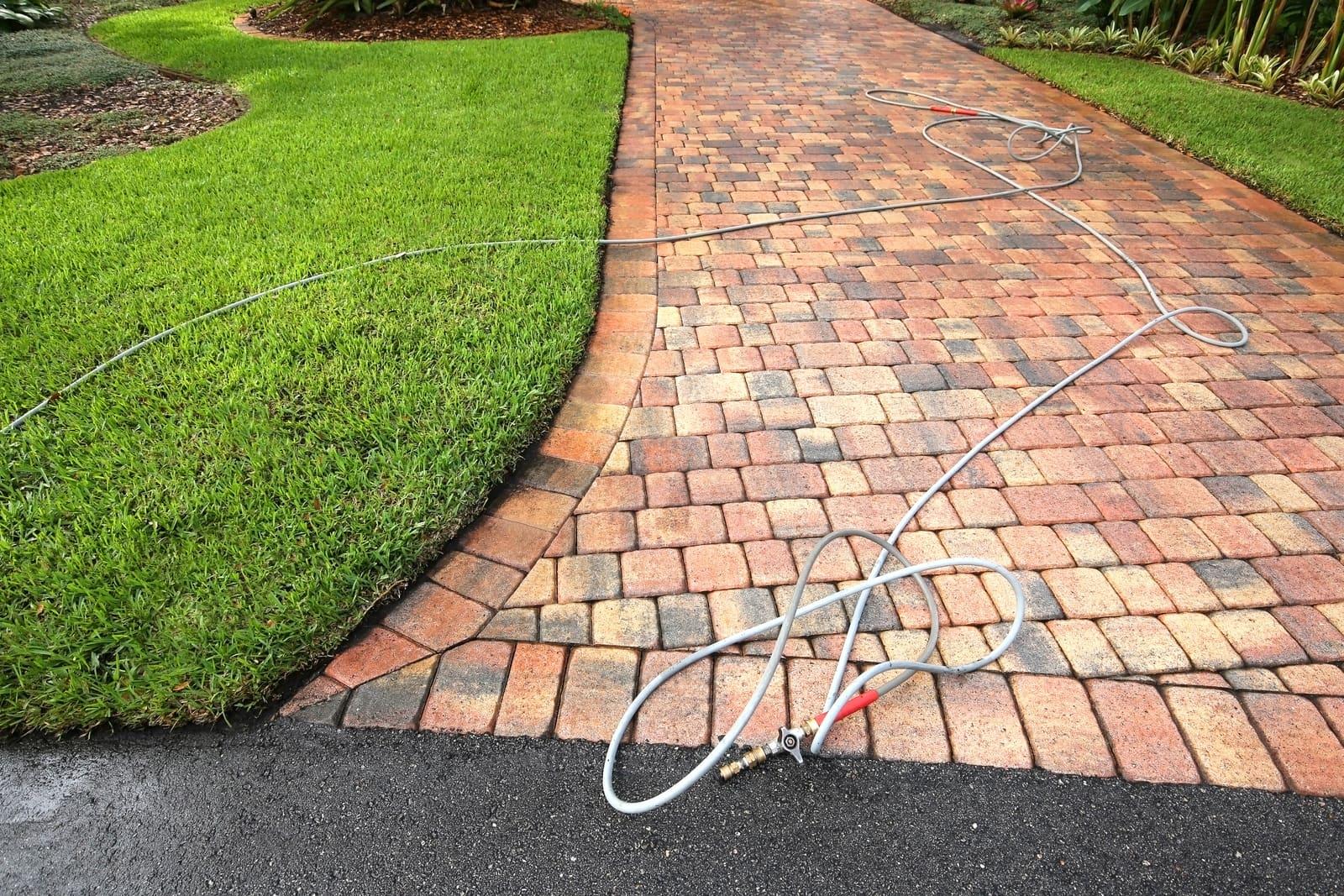
Getting a lasting result
The sequence is treat and clean the pavers, kill the moss and weeds in the joints at the root, let everything dry, then re-sand with polymeric sand, and optionally seal. That combination is what turns a paver clean from a temporary refresh into a result that holds.
If your pavers are already loose, weedy or spreading, re-sanding as part of a clean is often what brings them back to a solid, level surface. Because condition varies, a couple of photos are enough to advise on whether re-sanding or sealing is worthwhile.