
Case Study: Restoring a Faded Paver Patio to Its Original Colour
A paver patio is one of the most rewarding surfaces to restore, and this is a representative example of the work: a patio that had faded to a flat grey-green under years of grime and moss, brought back to its original colour and re-sanded so the result holds. It shows both the dramatic before-and-after and the finishing step people forget.
The starting point
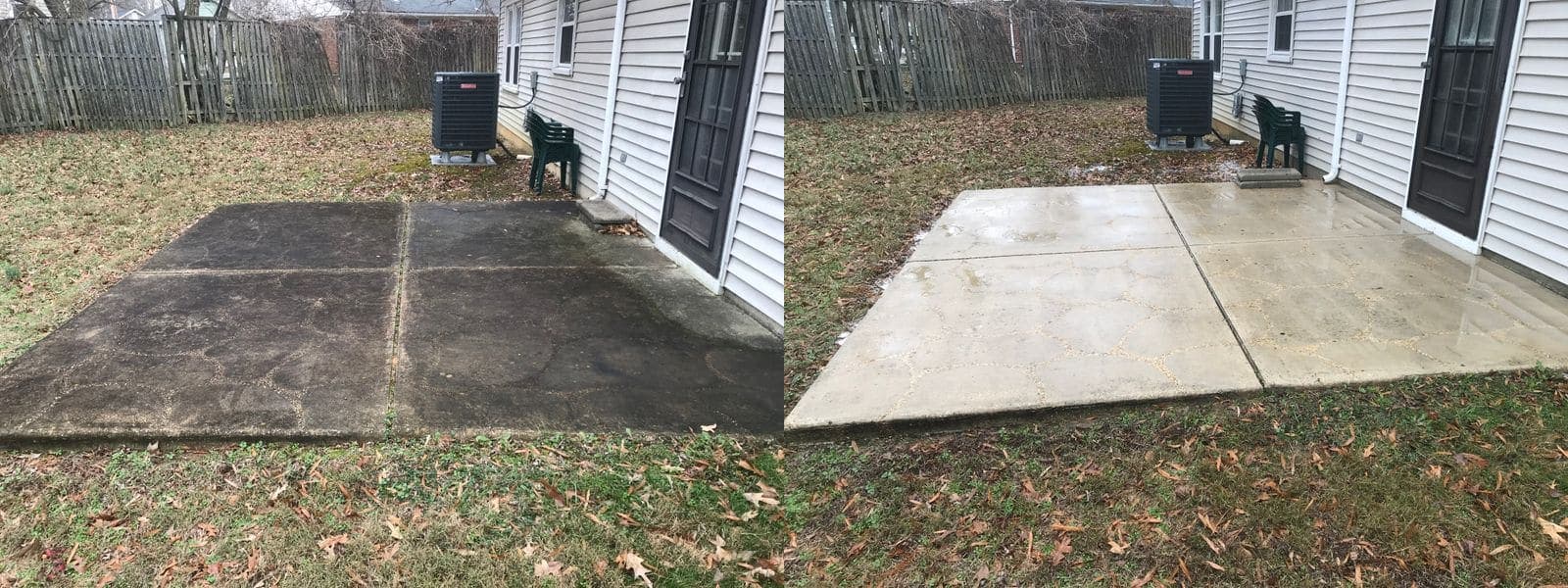
A neglected paver patio does not look like it has much colour left. Years of grime, a film of algae, and moss creeping through the joints mute the whole surface to a dull grey-green, and weeds have usually taken hold in the gaps. Owners often assume the pavers have simply aged and lost their colour for good.
In almost every case, the colour is still there under the grime, which is why the cleaning line is so striking as it moves across the surface.
The method
First the moss, algae and weeds in the joints are treated so they die at the root rather than regrowing in a month. Then the pavers are washed at a controlled angle and pressure that lifts the grime and restores the colour without blasting the sand out of the joints. The transformation strip, clean colour emerging beside the untouched grime, is the money shot on a job like this.
The step people forget comes next: the joints are re-sanded, ideally with polymeric sand, which firms up to lock the pavers and resist weeds and washout.
The result
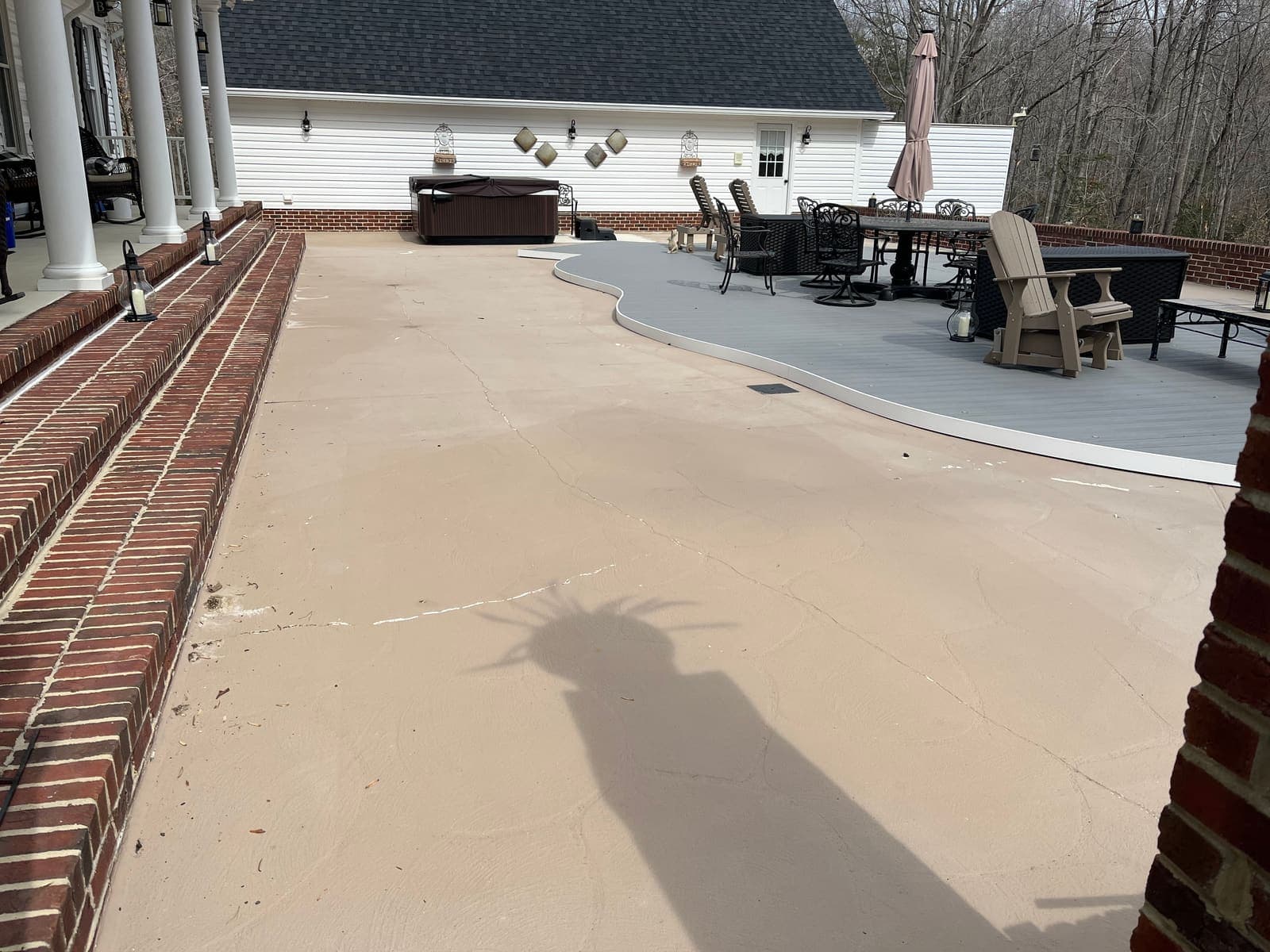
The finished patio comes back to its original salmon, charcoal or earth tones, with clean, defined joints and no weeds. Because the growth was killed at the root and the joints refilled, it stays clean and stable far longer than a quick blast that strips the sand and leaves the roots behind.
A patio like this is a fraction of the cost of replacing the pavers, and it usually looks better than owners remember, since it has been years since they saw the true colour. It pairs naturally with a wider backyard clean while the crew is set up.