
How Humidity and Rain Speed Up Siding Algae in Coastal BC
If your siding seems to green up faster than it did when you lived somewhere drier, you are not imagining it. Coastal BC's humidity and rain create close to ideal conditions for the algae that films over siding, which is why house washing is more of a routine necessity here. Here is the connection and what it means for upkeep.
Why humidity and rain matter
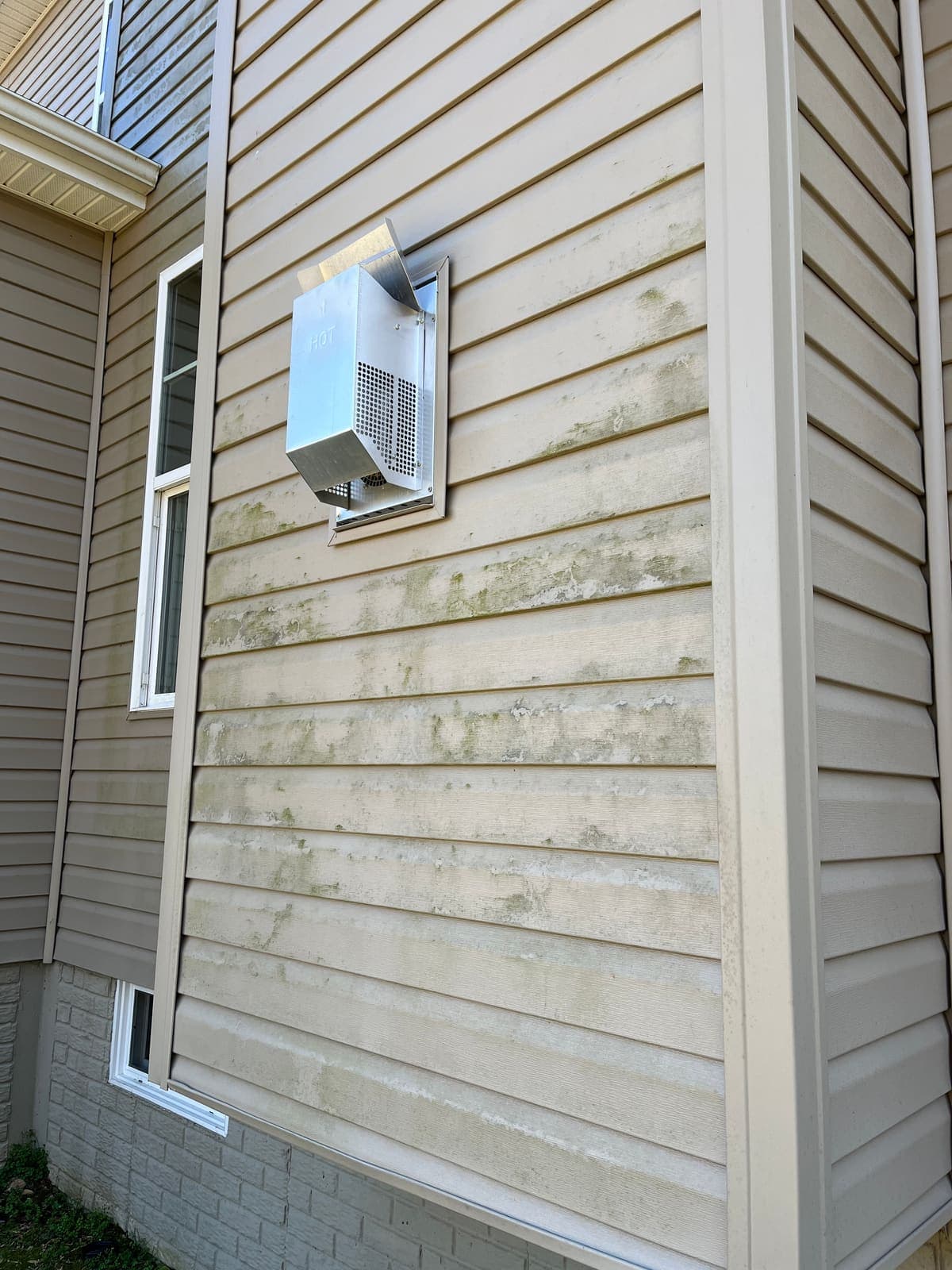
The green film on siding is algae, and algae needs moisture to grow. Our frequent rain and high coastal humidity keep siding damp for long stretches, especially on shaded and north-facing walls that dry slowly, so the algae has the moisture it needs for much of the year. In a drier climate, siding dries out and algae struggles; here it thrives.
The same airborne spores that land everywhere find a welcome, damp surface, so they establish and spread rather than dying off.
Where it shows first and worst
The pattern follows the moisture. North-facing walls, walls shaded by trees, fences or neighbouring buildings, and homes in the most humid pockets green up first and worst, while sunny, well-ventilated walls that dry quickly hold out longer. Areas kept damp by sprinklers, dripping gutters or poor drainage are hotspots.
It is the same reason one wall of a house can be green while another looks fine: it comes down to how long each stays wet.
What it means for washing
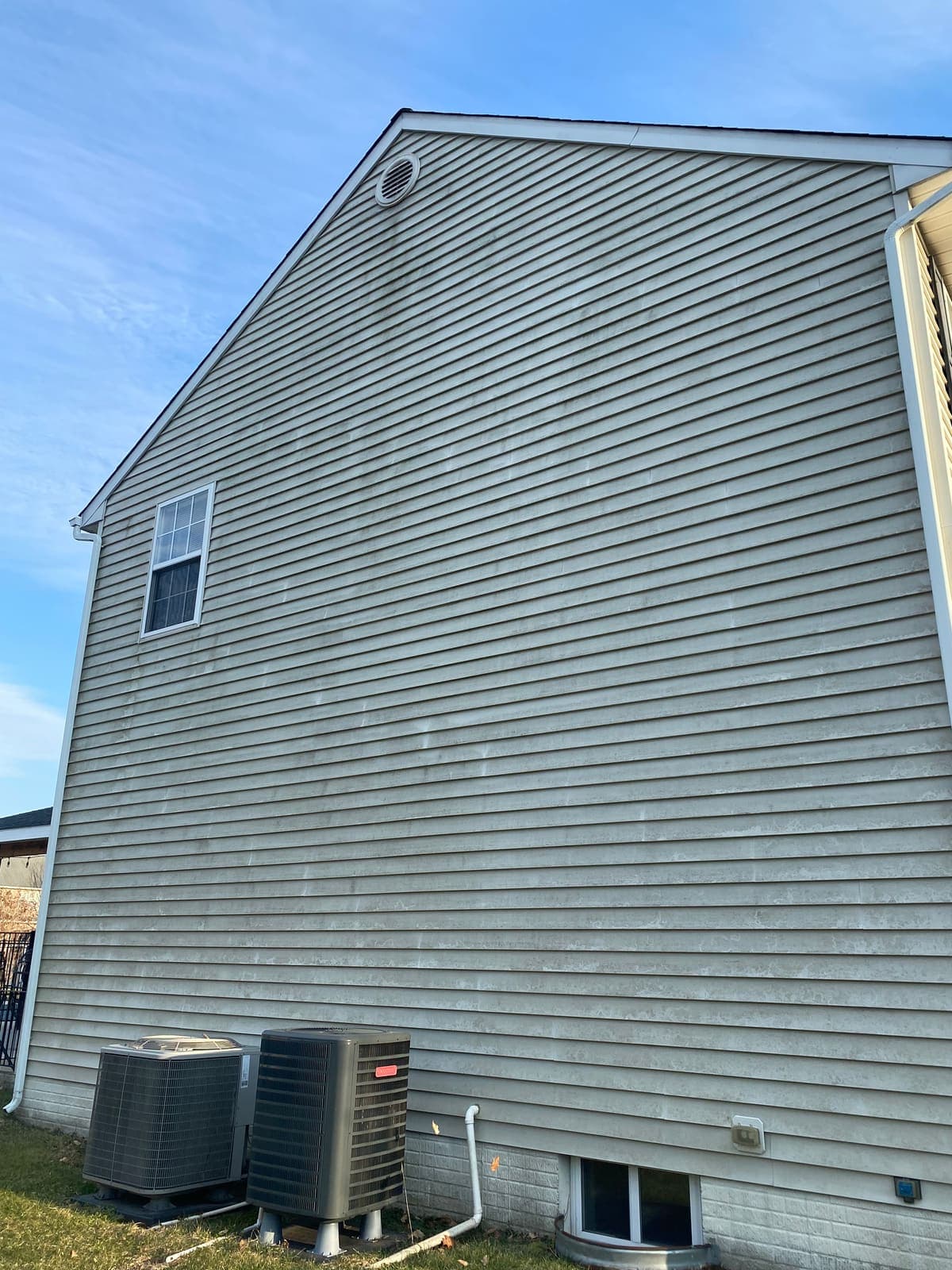
Because our climate keeps feeding the algae, most homes here benefit from a house wash every one to two years, with the shaded sides watched more closely. Soft washing, which kills the algae at the root, lasts far longer in these damp conditions than a pressure-only clean that leaves the spores to regrow quickly.
You can slow it by improving airflow and light, trimming back what shades the walls and keeping sprinklers and dripping gutters off them, but you cannot change the climate. Working with it through regular gentle cleaning is easier than fighting it.