
Why Does the North Side of My House Turn Green? (And What to Do About It)
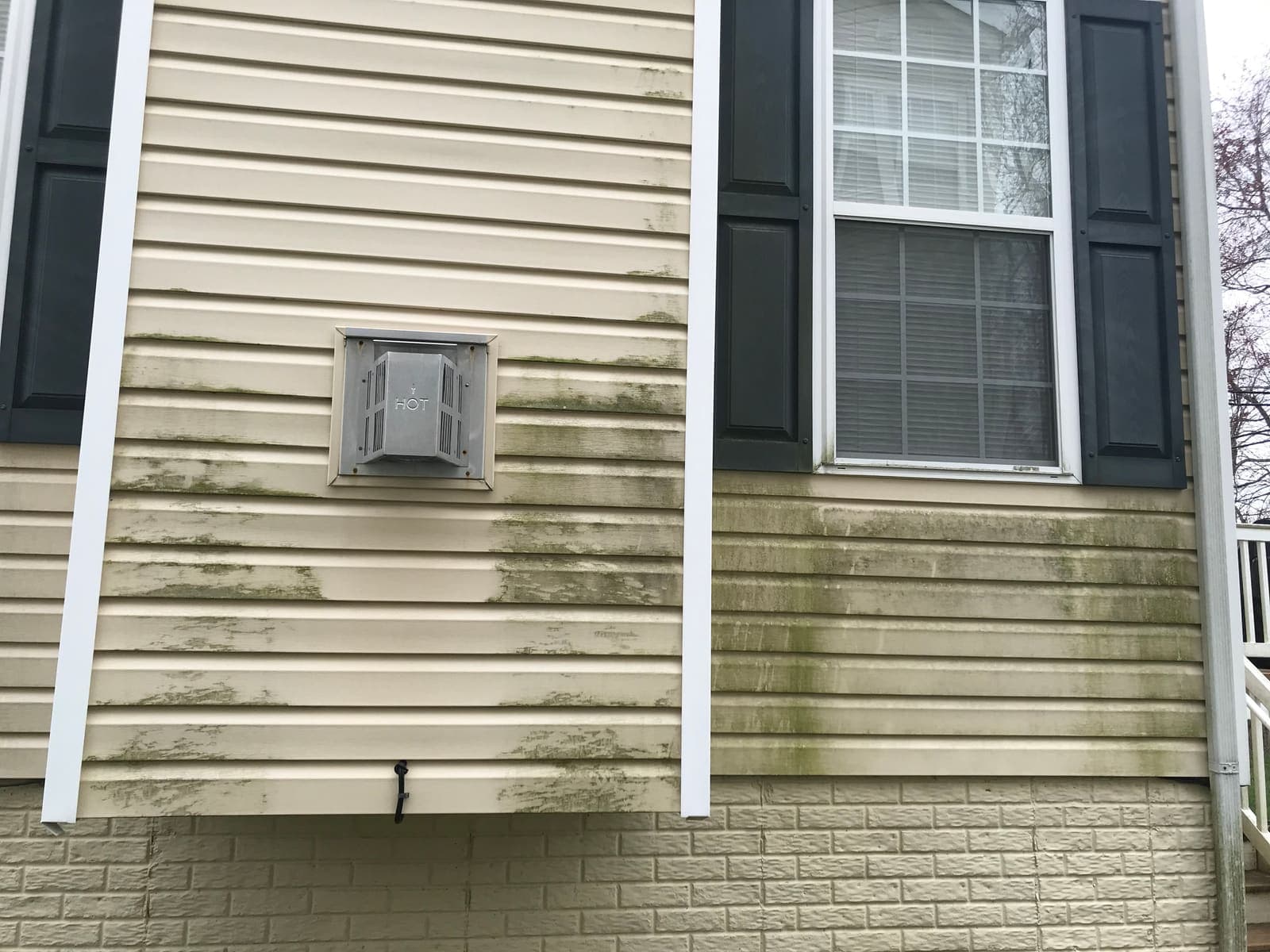
It is one of the most common calls we get: the front of the house looks fine, but the north or shaded side has gone green, grey and grimy, sometimes to the point the siding colour is hard to make out. Homeowners often assume the siding is failing. It is not. It is algae, and it is completely reversible.
Here is why one wall greens up while the others stay clean, and the right way to bring it back without wrecking the siding.
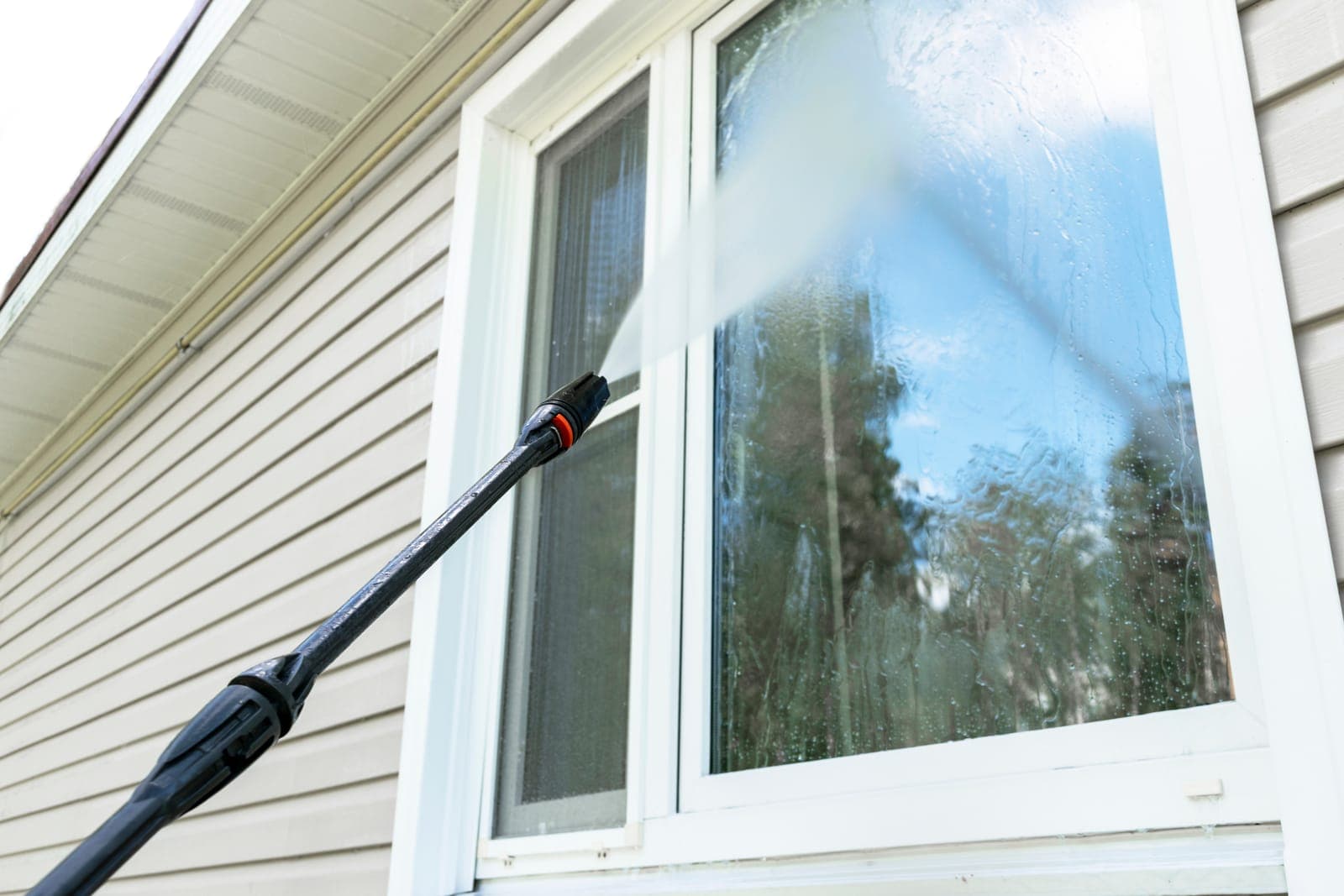
Shade plus damp equals algae
The green film is airborne algae, the same family that streaks roofs. It needs moisture and low light, and the north side of a house delivers both, it sees the least direct sun, so it stays damp longest after our frequent rain. Add a fence line, a neighbour's house, or overhanging trees and that wall barely dries out for months.
Walls under eaves with poor airflow, behind shrubs, or shaded by a carport go the same way. Anywhere that stays wet and dim is where the algae wins first.
Why you cannot just pressure wash it
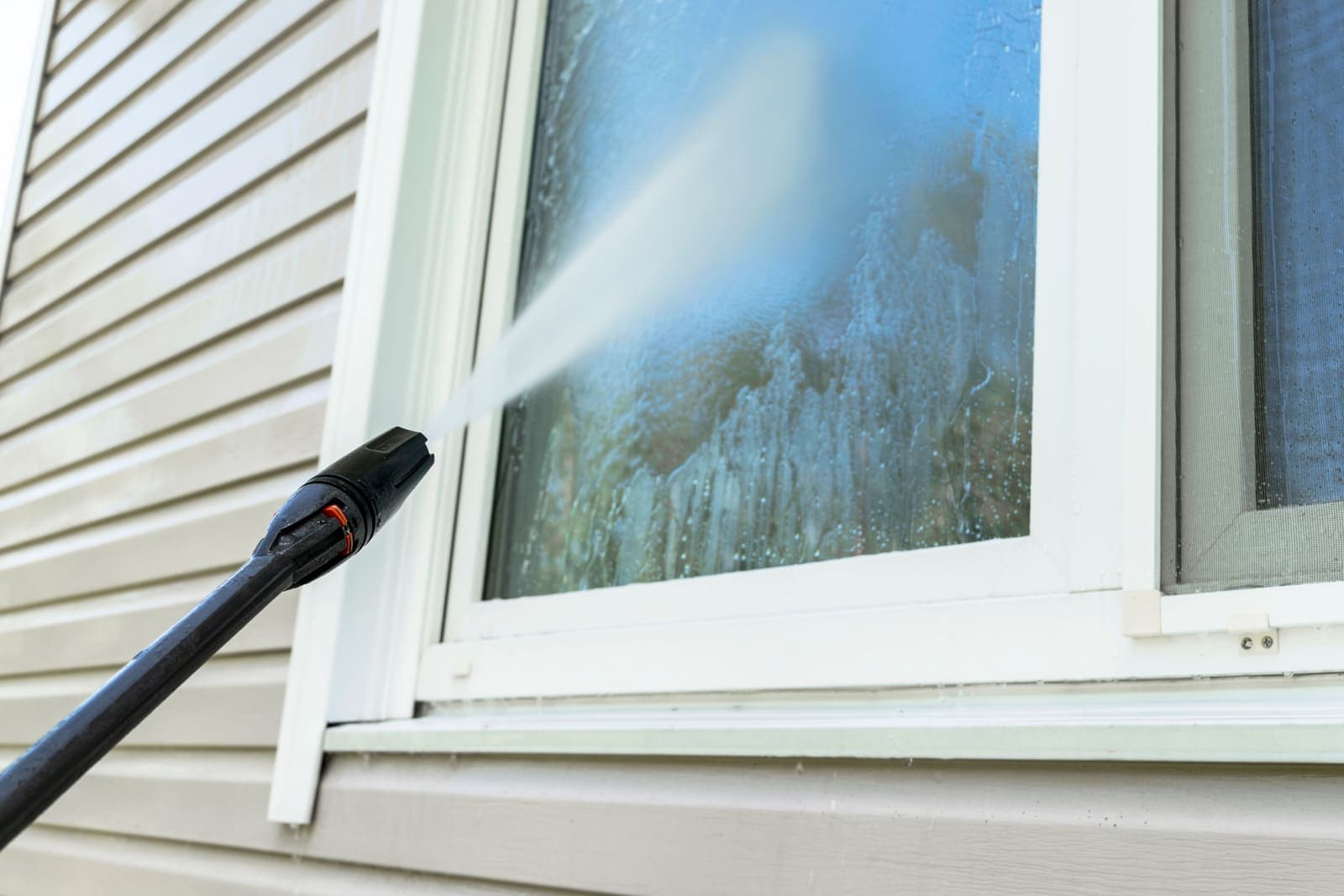
High pressure on siding forces water behind the panels, where it feeds hidden mould and can wet insulation and wall sheathing. It can also crack aging vinyl, strip paint, and blow window seals. And like a roof, blasting only removes the surface film, the algae regrows because the spores are left behind.
Siding is a soft-wash surface. A biodegradable detergent is applied at low pressure, left to kill the growth at the root, and rinsed gently. The wall comes back to its real colour, and because the organism is dead rather than displaced, it stays clean two to three times longer than a pressure-only clean.
Keeping the green side clean longer
A few things slow the regrowth on a problem wall: trim back shrubs and branches so air and light reach the siding, keep gutters and downspouts from spilling down that face, and redirect sprinklers that hit the wall. None of it stops algae entirely in our climate, but it buys time between washes.
Most homes here do well with a house wash every one to two years, and the shaded side is the part to watch. If only that wall is bad, it can often be cleaned on its own rather than doing the whole house.