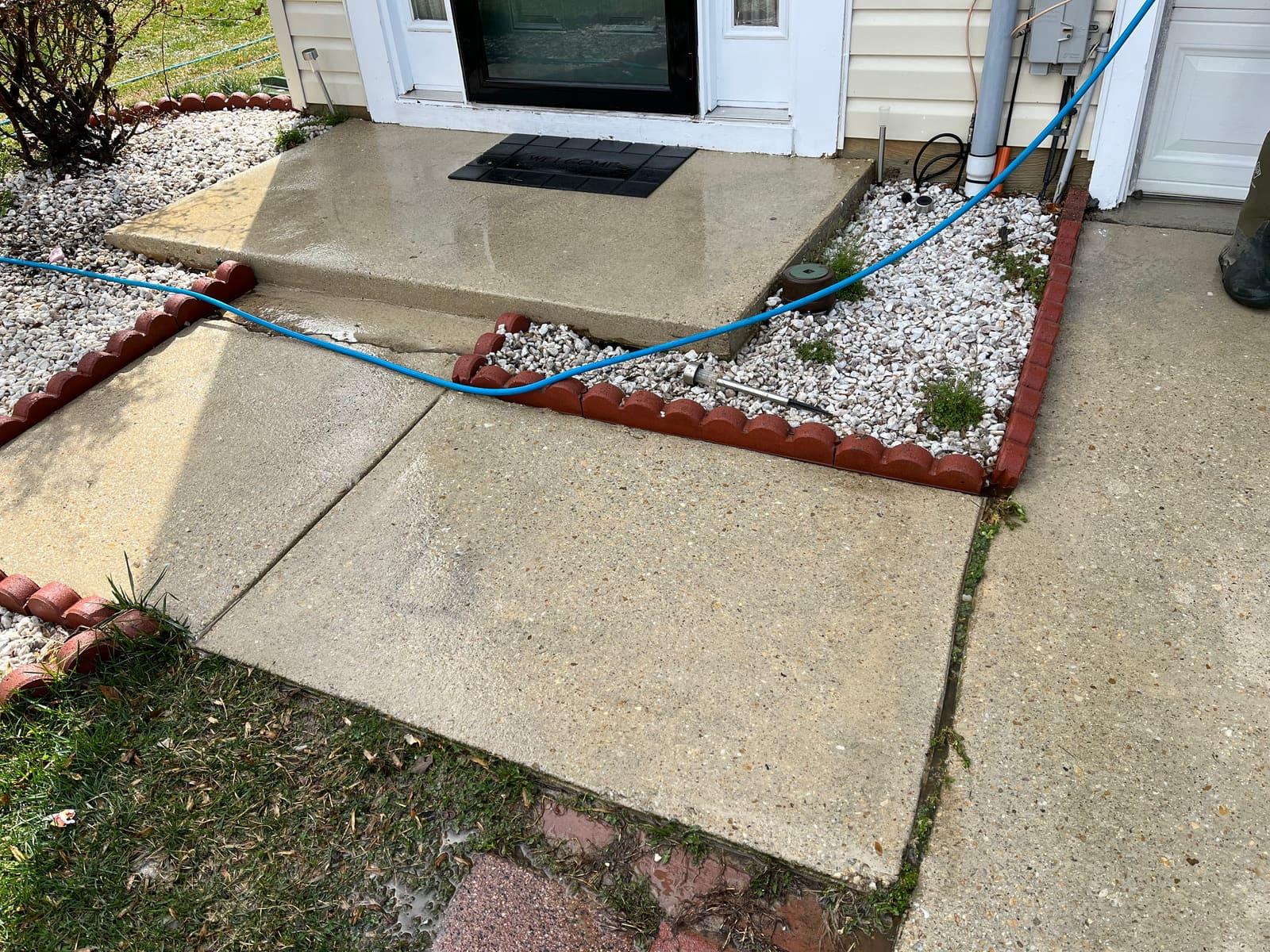
How to Remove Moss From Your Driveway, and Keep It From Coming Back
If you live anywhere in the Lower Mainland, your driveway is growing moss right now. Our mild, wet climate is ideal for it, and beyond looking neglected, mossy concrete is genuinely dangerous. Wet moss on a sloped driveway is one of the most common causes of slip-and-fall injuries at home in BC.
Here's what actually works to remove it, what wastes your money, and how to keep it from returning within a season.
Why moss loves Lower Mainland concrete
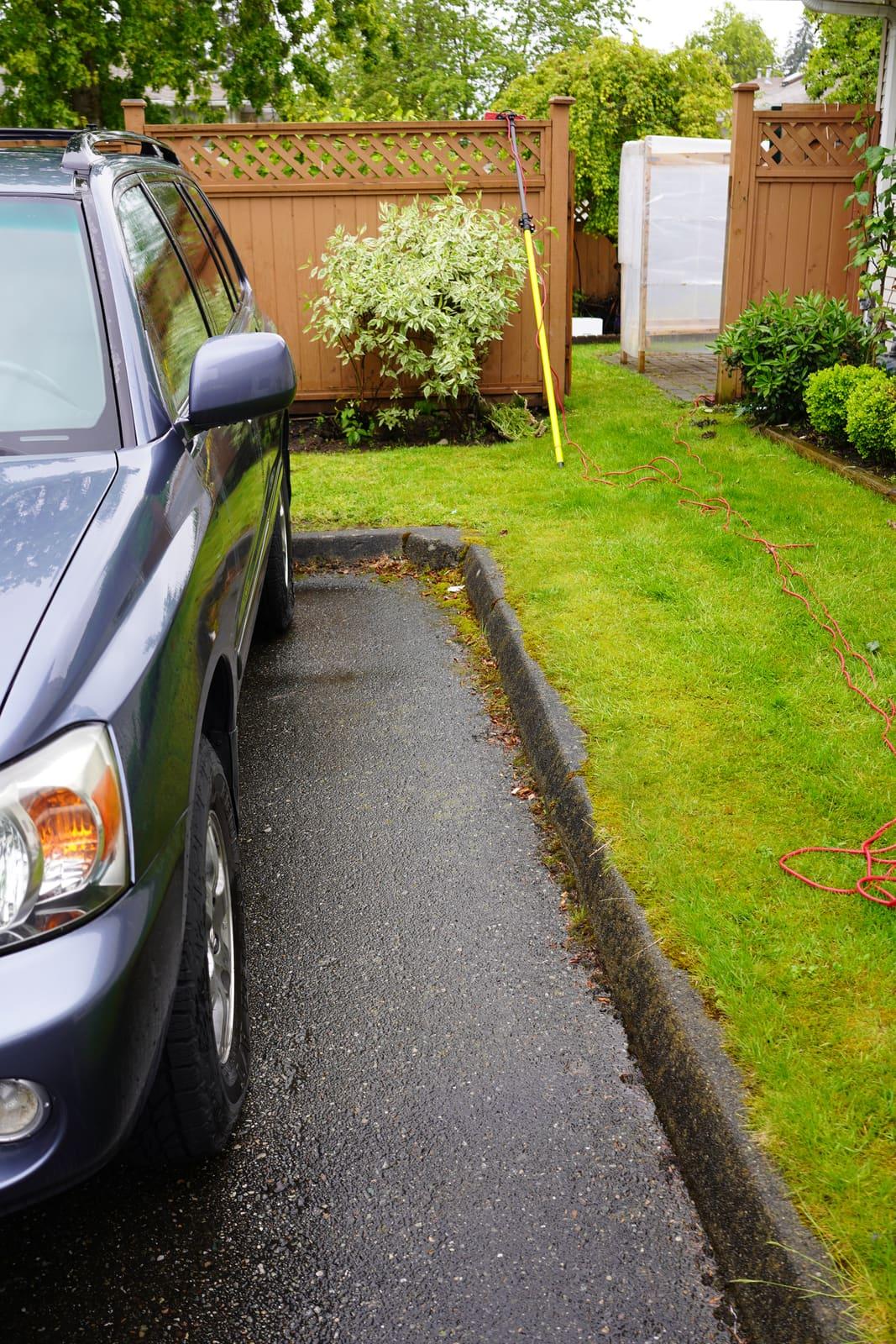
Concrete is porous, holds moisture, and sits in shade for much of our long rainy season, everything moss needs. North-facing driveways and anything under tree cover are hit hardest. Left alone, moss roots (rhizoids) work into the concrete's pores, holding moisture against the surface year-round and accelerating freeze-thaw cracking in winter cold snaps.
What doesn't work
Scraping and stiff-brooming remove the visible cushion but leave the root structure, so moss regrows within weeks. Household bleach poured straight kills patches but streaks concrete unevenly, harms adjacent lawn and plants, and doesn't reach roots in the pores. Pressure washing alone, with no treatment, blasts off the surface layer but leaves spores and roots behind, which is why DIY-washed driveways green up again by the next spring.
What actually works: treat, wash, protect
Professional moss removal is a three-step process. First, a biodegradable moss treatment is applied and left to dwell so it kills growth down to the root. Second, the surface is machine-washed with a rotary surface cleaner, even pressure across the whole slab, no wand striping. Third, a post-treatment slows regrowth, typically keeping concrete clean for 1–2 years even in shaded spots.
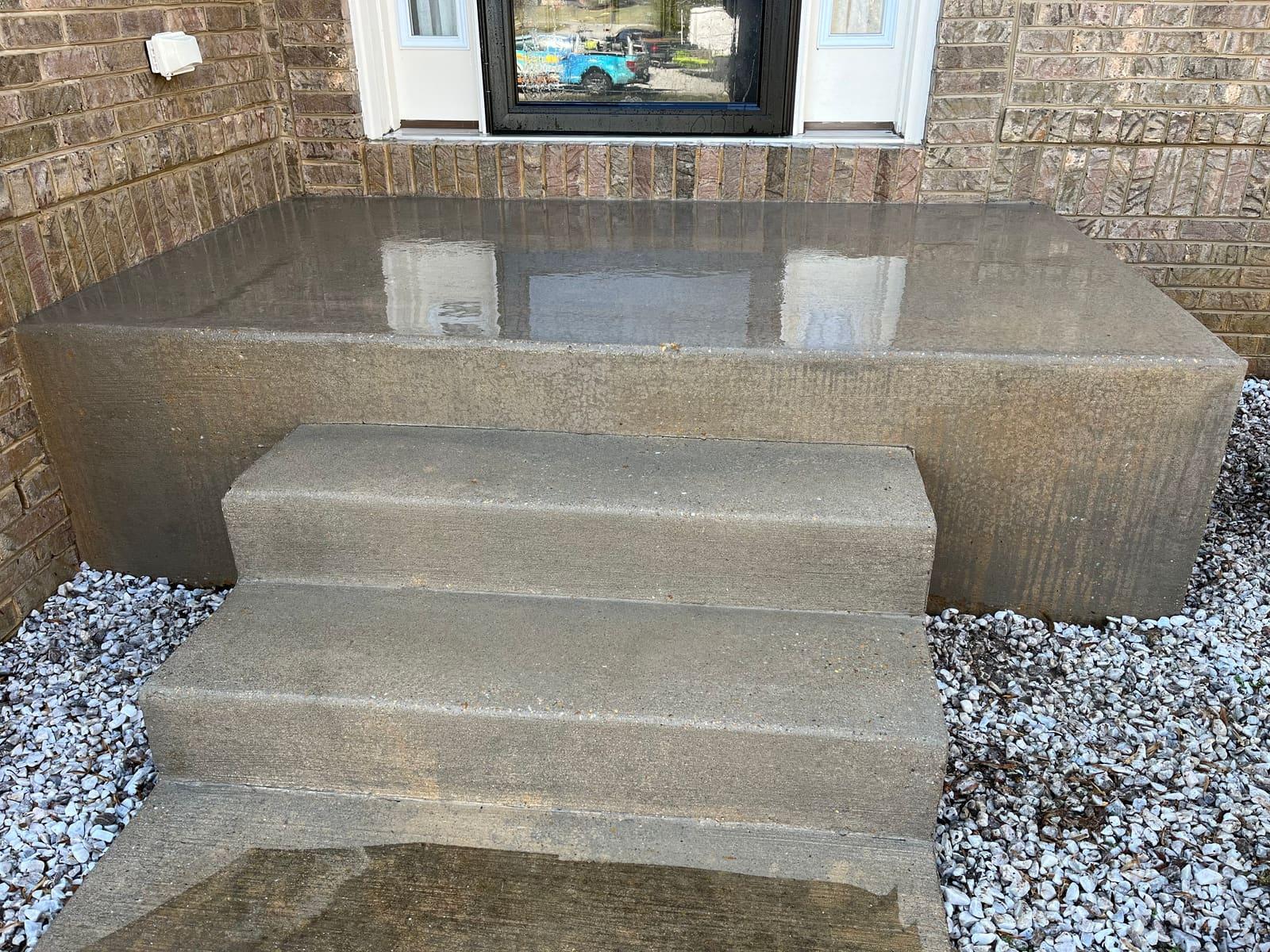
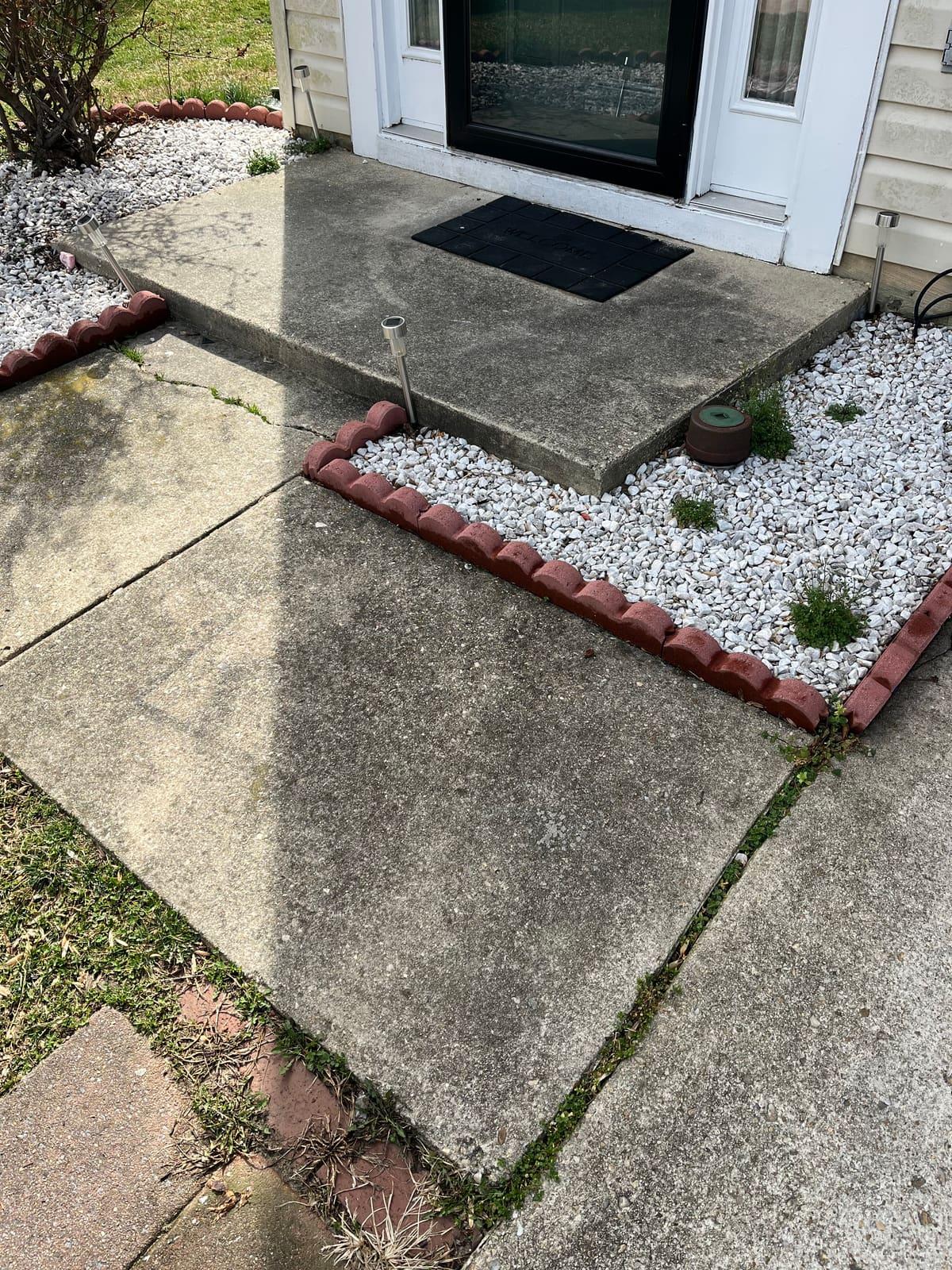
The difference shows in the before-and-after: treated-and-washed concrete comes back to its original bright colour, not the grey-green of a surface-only scrape.
Keeping it gone
Trim back overhanging branches to reduce shade and debris. Keep gutters flowing so downspouts aren't dumping water across walkways, chronic wet strips are moss highways. And re-clean on a schedule rather than waiting for the driveway to turn green: annual or biennial maintenance cleans are faster, cheaper and safer than restoration cleans.