
How Roof Moss Causes Leaks (and Where the Water Actually Gets In)
Homeowners often treat roof moss as a cosmetic problem and put off dealing with it. The trouble is that moss does not stay cosmetic. Given time, it is one of the more common causes of roof leaks in our wet climate, and understanding how it lets water in makes clear why removing it early is worth it.

Moss lifts the shingles
Shingles work by overlapping so water always runs down and over, never up and under. Moss grows in the gaps between and under the shingle edges, and as it thickens it physically lifts those edges. Once an edge is lifted, wind-driven rain, and the sheer volume of our rain, can get underneath, where the roof is not designed to keep water out.
That is the core mechanism: moss breaks the overlap that makes a roof waterproof, and water follows the opening.
It holds water against the roof
Beyond lifting shingles, moss acts like a sponge, holding moisture against the roof surface long after the rain stops. A roof is meant to shed water and dry; a mossed roof stays wet. That constant dampness degrades the shingles and the roof deck over time and keeps the conditions perfect for more growth, and around vents, valleys and flashing it feeds water toward the vulnerable penetrations.
In winter, water trapped by moss can freeze and expand in the gaps, prying things further apart in a freeze-thaw cycle.
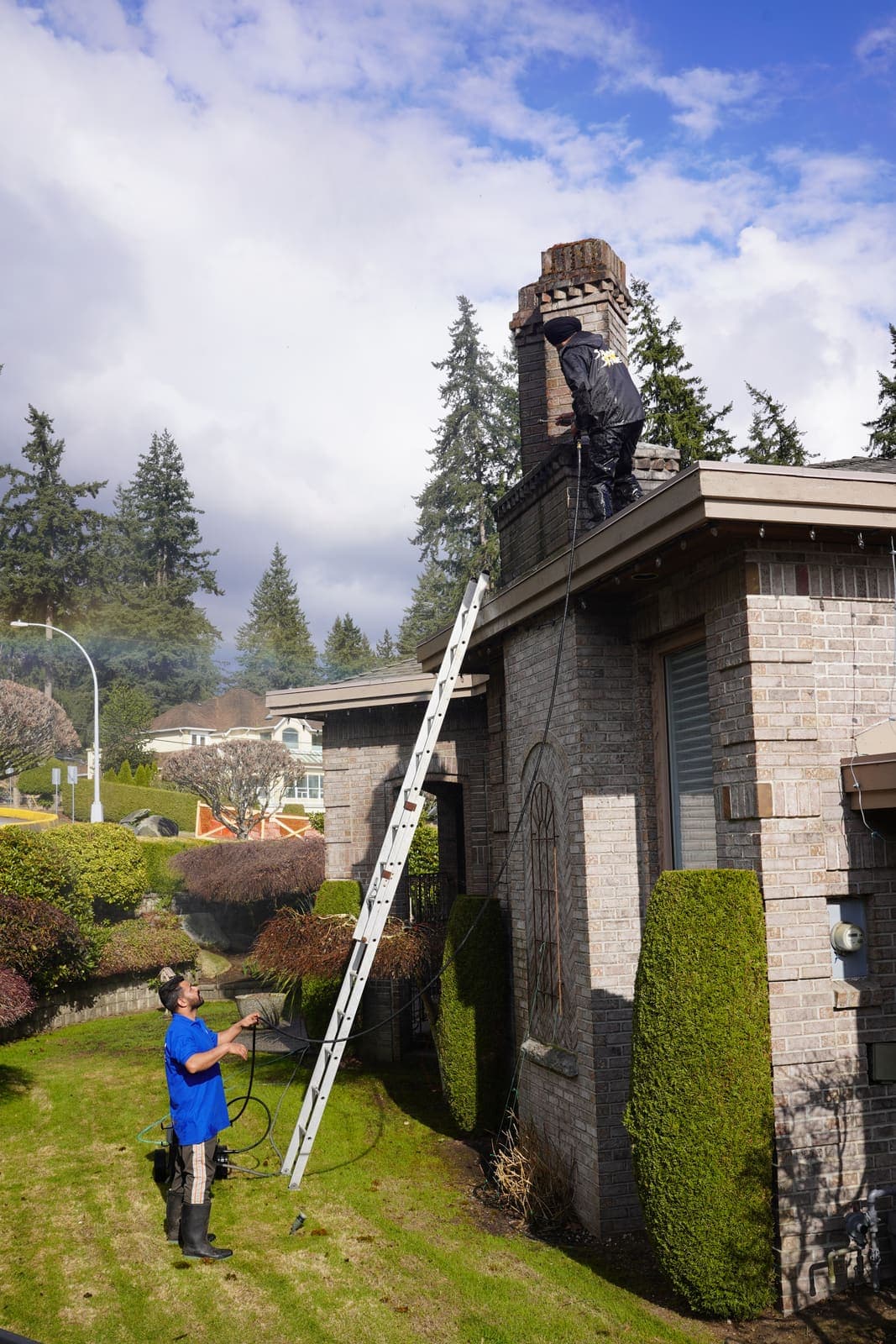
Why removing it early pays off
By the time moss has caused an actual leak, you are often looking at not just roof repair but damage to the deck, insulation and interior below, far more than the cost of keeping the moss in check. Removing it early, by soft washing that kills it at the root, stops the lifting and the trapped moisture before they lead anywhere.
This is why roof cleaning is genuinely preventive maintenance in our climate, not just curb appeal. If your roof has thick moss, especially lifting the shingle edges or filling the valleys, it is worth dealing with before the wet season rather than after a leak.