
Efflorescence: The White Chalky Film on Pavers and Concrete Explained
A white, chalky, cloudy film shows up on pavers and concrete, often on newer installations, and no amount of ordinary washing seems to shift it. That is efflorescence, and it is not dirt sitting on the surface. It is coming from inside the concrete itself, which is why it needs a different approach.
Here is what causes it and how it is actually removed.
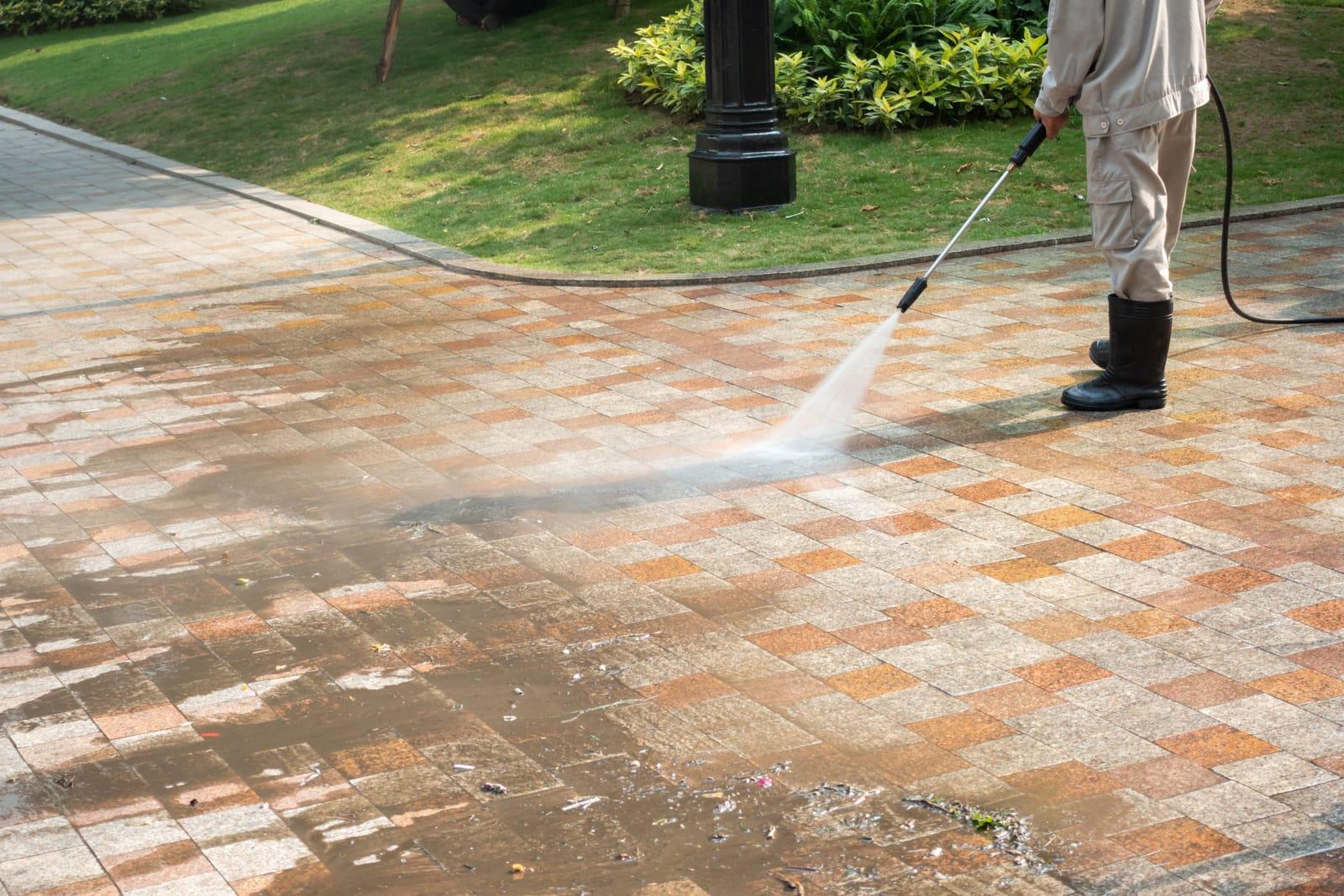
What efflorescence is
Concrete and pavers contain natural mineral salts. As moisture moves through the material and evaporates at the surface, it carries those salts with it and leaves them behind as a white, powdery or crusty deposit. It is most common on new pavers and concrete in their first year or two, and it flares up in damp conditions, which our climate has plenty of.
Because the deposit comes from within, it is not a sign the surface is dirty or was installed badly. It is a normal chemical process, just an unsightly one.
Why washing and scrubbing do not work
Plain water and pressure washing tend to make efflorescence worse in the short term, because adding water dissolves more salts and draws them to the surface as it dries again. Ordinary detergents do not react with the mineral deposit, so scrubbing just polishes around it.
Removing it properly takes a purpose-made efflorescence cleaner, a mild acidic product that dissolves the salt deposit so it can be rinsed away, used carefully and at the right dilution so it cleans the deposit without etching the surface.
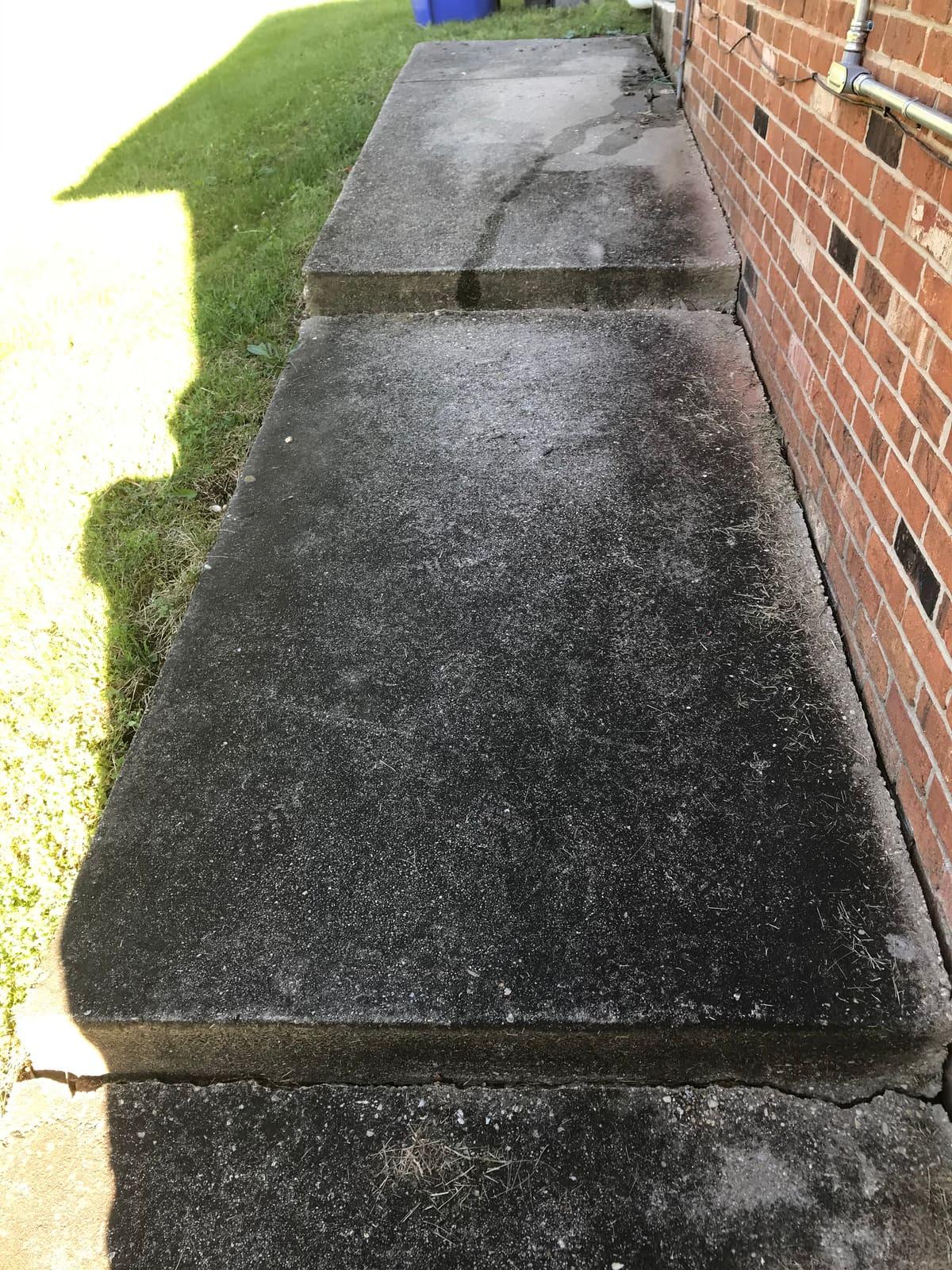
Keeping it from coming back
Once the existing efflorescence is removed and the surface has dried, a breathable sealer helps reduce how much moisture moves through the material and slows further deposits. For new pavers, some efflorescence is simply the material curing and it eases off on its own over the first couple of seasons.
Because the wrong products or too much acid can damage the surface, efflorescence is one where a careful, tested approach matters. If you are not sure whether the white film is efflorescence or something else, a quick photo is usually enough to tell.