Why the Cheapest House Wash Often Damages Siding
A house-wash quote that is dramatically cheaper than the others is tempting, but with siding it is exactly where a bargain can turn expensive. The most common ways siding gets damaged all trace back to cut-rate cleaning that skips the right method to save time. Here is what goes wrong and what a proper wash does instead.
How cheap cleaning damages siding
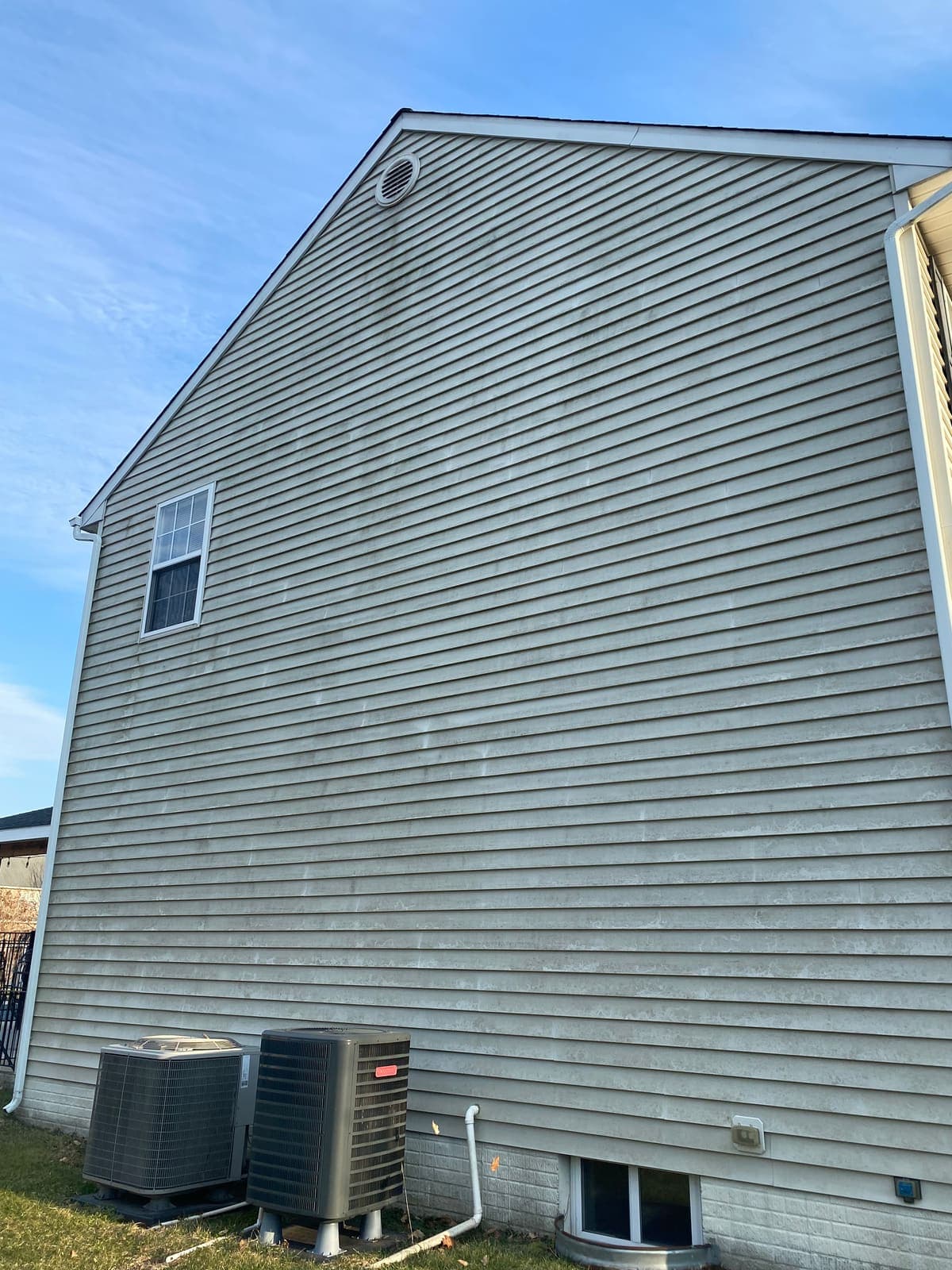
The classic mistake is high pressure on siding. Blasting vinyl, wood, stucco or fibre cement to clean it fast forces water up behind the panels, where it feeds hidden mould and can wet insulation and sheathing, and it can crack brittle vinyl, strip paint and gouge wood. The damage is often invisible at first and shows up later as mould, warping or peeling.
Other shortcuts add to it: harsh, over-concentrated chemicals that damage finishes and plants, no plant protection so the landscaping suffers, and rushing that leaves streaks and misses. The low price reflects skipping the care that protects your home.
Why the damage costs more than the saving
Water forced behind siding can lead to mould remediation and repairs measured in thousands, far more than the difference between a cheap quote and a proper one. Cracked vinyl or stripped paint means replacement or repainting. So the bargain wash can turn into the single most expensive thing you do to the house.
This is the core reason to be wary of the lowest quote: on siding, the wrong method does not just clean poorly, it actively harms the home.
What a proper wash does differently
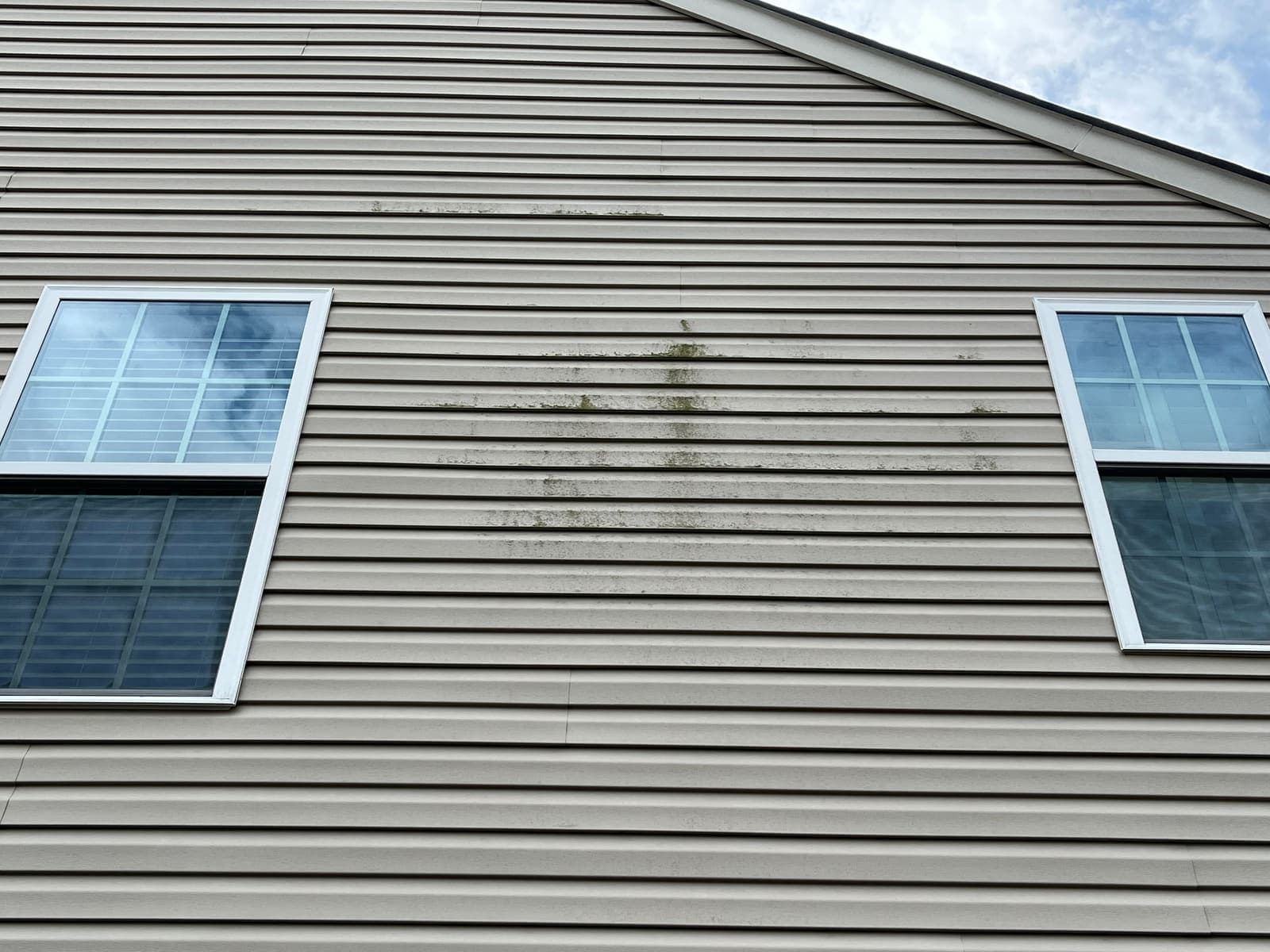
A proper house wash soft washes siding: a biodegradable detergent does the cleaning at low pressure, so nothing is forced behind the panels and no finish is stripped or gouged. Landscaping is pre-wetted and rinsed, the solution is matched and diluted to the surface, and the work is done evenly rather than rushed.
It costs a bit more because it includes the care that protects the home, which is exactly the point. When comparing quotes, ask how they will clean the siding, soft wash is the answer that keeps a bargain from becoming a repair bill.