
Cleaning Around Your Landscaping: Protecting Plants During Exterior Cleaning
Exterior cleaning happens right next to your gardens, and a careless job can leave wilted plants and a scorched lawn behind. A good one leaves the landscaping exactly as it found it. The difference is entirely in the care taken, and it is worth knowing what proper plant protection looks like so you can expect it.

How cleaning can harm plants
Plants can be affected in a few ways: cleaning solutions dripping or running onto foliage and roots, over-concentrated products used to save time, and runoff pooling in beds. The risk is highest with the crude approach of strong chemistry applied without any protection, which is exactly what cut-rate operators tend to do.
Done properly, though, exterior cleaning is safe for gardens, the products are biodegradable and controlled, and the technique keeps them away from where they would do harm.
How plants are protected
The core technique is pre-wetting: landscaping below and around the work is saturated with plain water before any solution goes up, so foliage and roots absorb far less of anything that drips, and it is rinsed again afterward. Sensitive or delicate plants can be covered, and the crew watches wind and overspray and works in sections to keep solution where it belongs.
For particularly vulnerable features, ponds, vegetable gardens, prized plantings, extra steps are planned in advance. Managing the runoff so it does not pool in beds rounds it out.
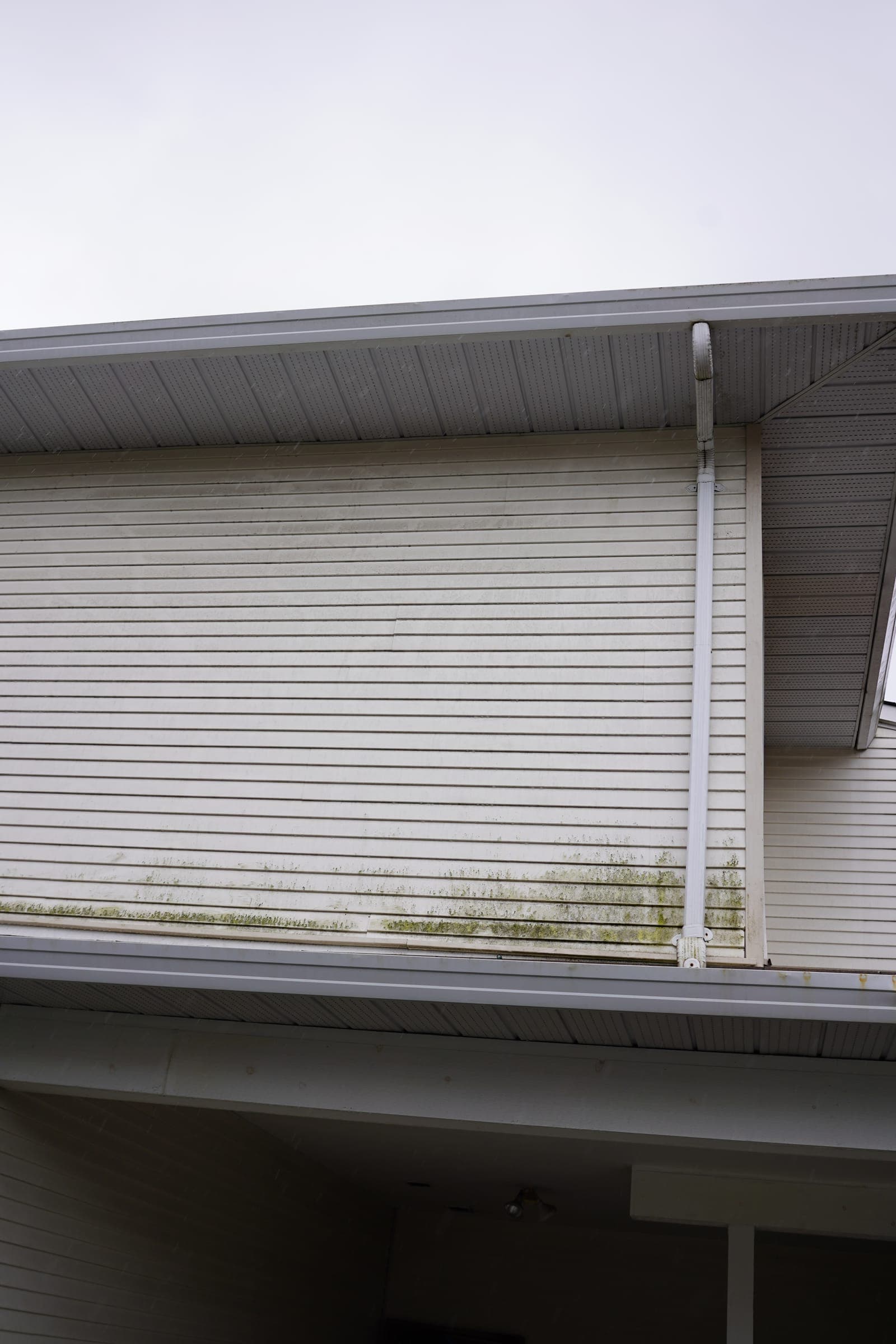
What to expect and ask
A professional should be able to tell you exactly how they will protect your landscaping, pre-wetting, covering, rinsing, before they start. If you have specific concerns, a koi pond, an edible garden, a plant you care about, raise them up front so the approach can be planned around them.
Once an area has been cleaned and rinsed, the garden is safe to use as normal, there is no lingering residue that keeps you off the lawn for days. A company that cannot speak to plant protection is one to be cautious about.