
Natural Stone and Flagstone Patio Cleaning Done Right
Natural stone and flagstone patios are beautiful and a little unforgiving, because stone is porous and different types react very differently to cleaning. Slate flakes, some sandstones are soft, and many stones hold moss deep in their texture. In our climate they green up readily, so they need cleaning, just carefully.
Here is how natural stone patios are cleaned so they come back rich and clean without damage.
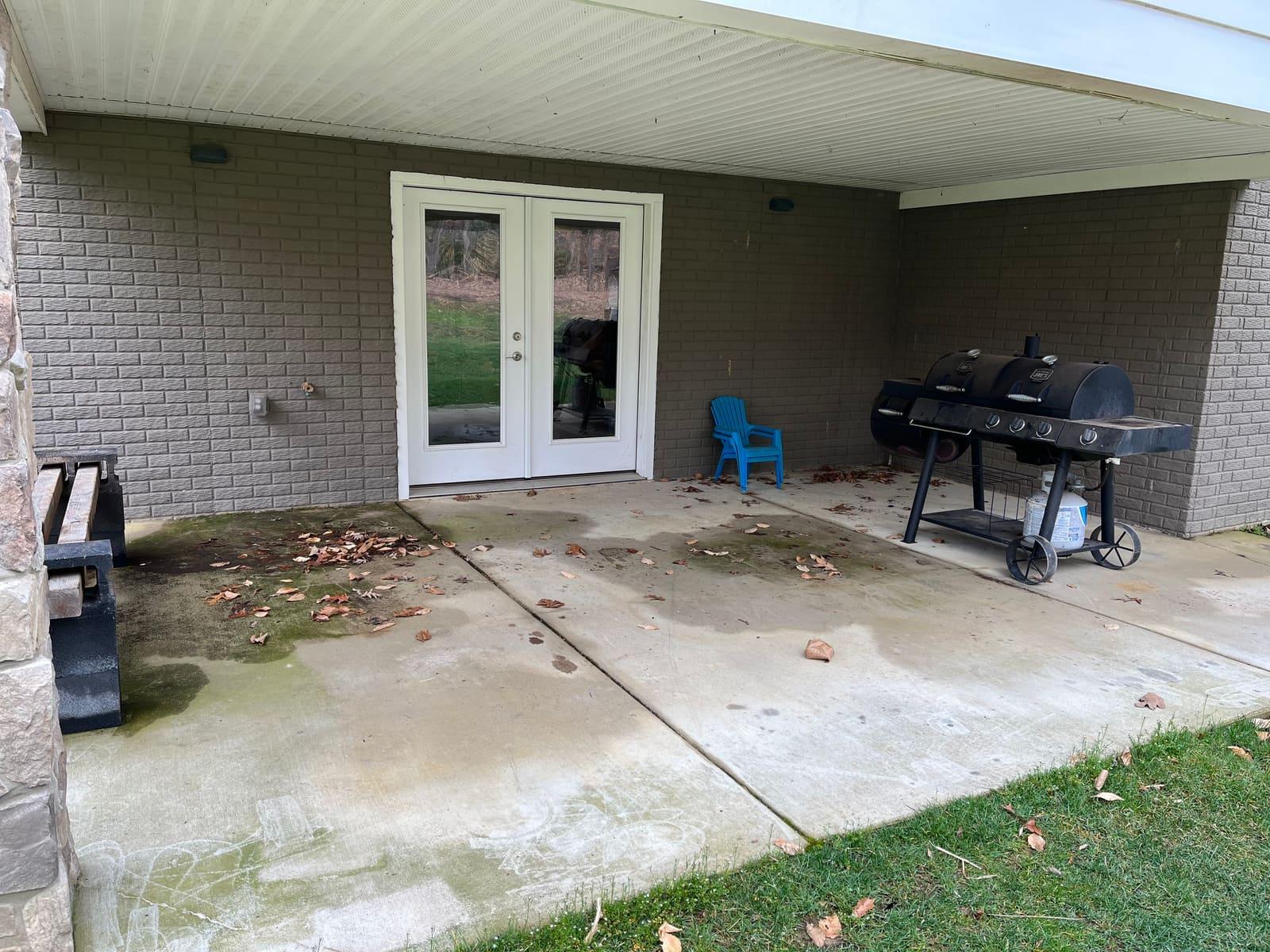
Know the stone before you clean it
Flagstone, slate, sandstone, limestone and granite all behave differently. Some are hard and take a firm clean, others are soft, flaky or acid-sensitive and can be etched or eroded by the wrong pressure or product. The joints, often sand, mortar or planted, add another variable.
So step one is identifying what you are dealing with. The same approach that is fine on a hard granite paver can damage a soft sandstone flag, which is why stone is not a one-method surface.
Treat the growth, match the pressure
Moss and algae in the stone's pores are treated first so they die at the root rather than regrowing quickly. The wash is then done at a pressure and distance matched to the specific stone, enough to lift the grime from the texture without pitting, flaking or eroding the surface. Acidic products are used with care or avoided on acid-sensitive stone.
The joints are handled according to what they are, since blasting sand or planted joints causes its own problems. On stone, patience and the right settings beat brute force every time.
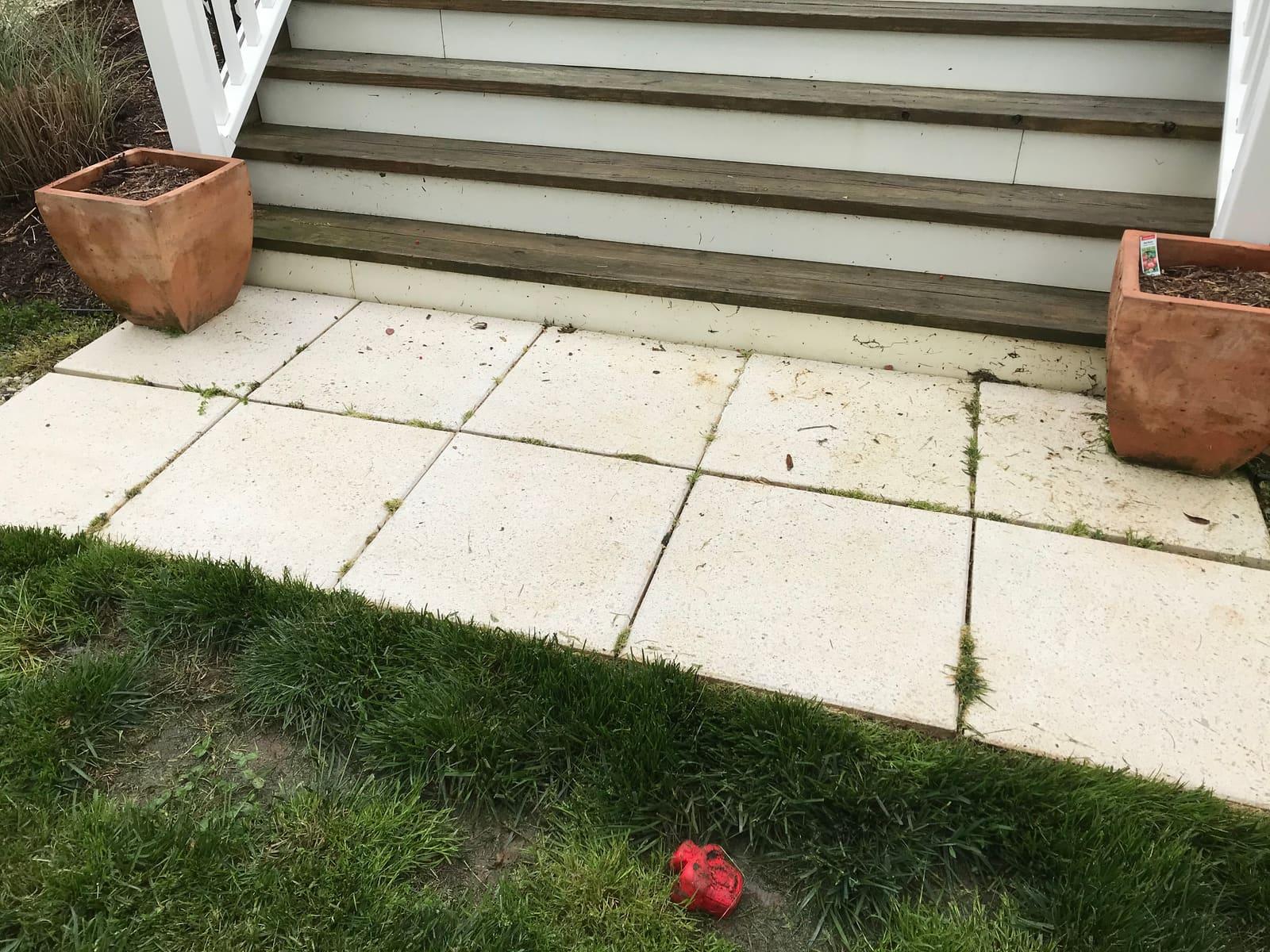
Sealing and upkeep
Many natural stones benefit from a breathable sealer after cleaning, which slows moss and staining and makes future cleaning easier, while still letting the stone release moisture. The right sealer depends on the stone, since some want a natural-look penetrating sealer and others suit an enhancing one that deepens the colour.
Keeping the patio swept and free of leaf litter, and cleaning it before the moss gets deep, keeps a stone patio easy to maintain. A photo of the stone is usually enough to identify it and advise on a safe approach.