
Moss Growing in Your Gutters: Why It Happens and What It Signals
Leaves and needles in a gutter are normal. Actual moss, or even little plants and seedlings, growing in your gutters is a different signal: it means the system has been holding damp debris long enough for things to take root. In our climate that does not take as long as you might think. Here is what it means and how it is handled.
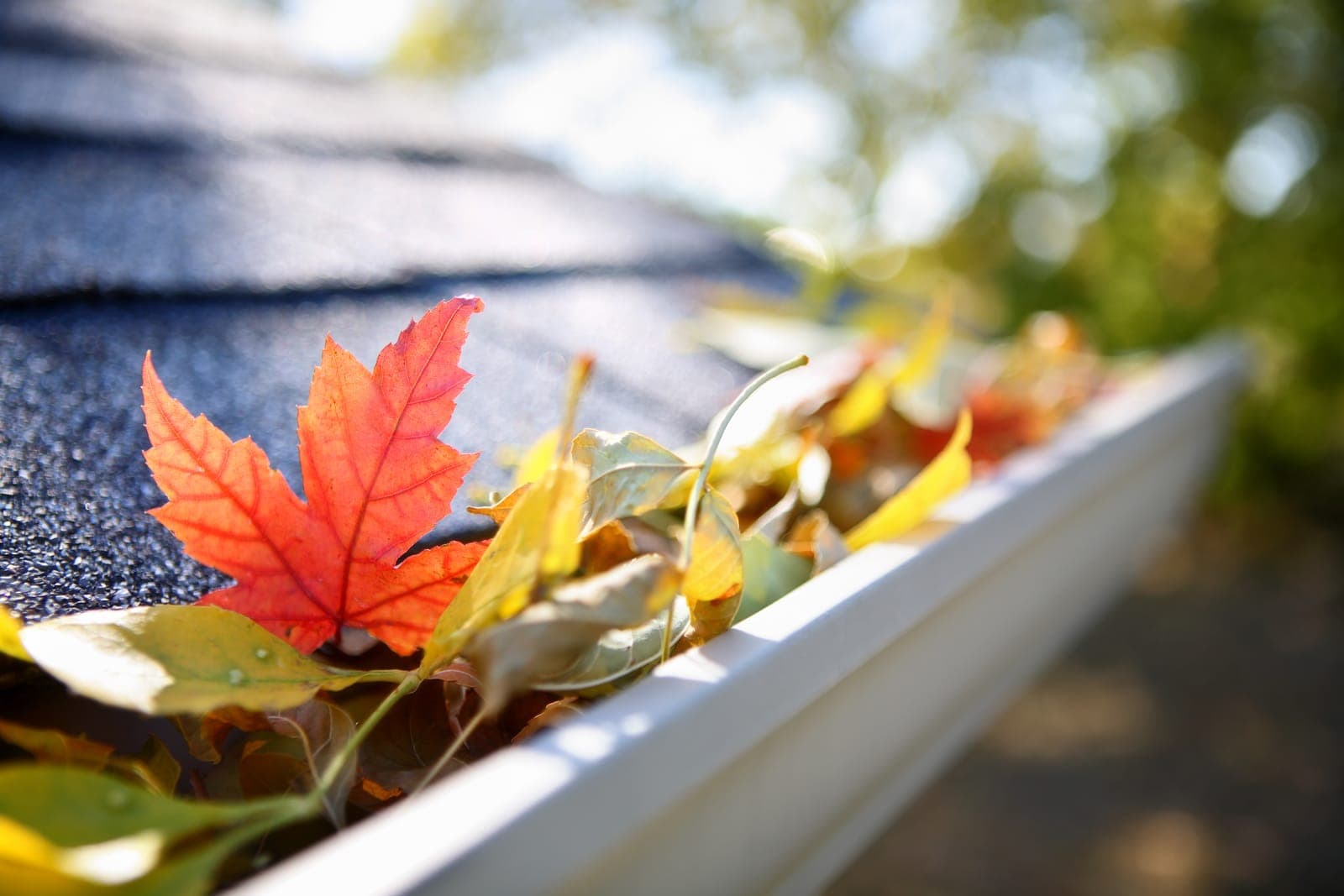
Why moss grows in gutters
A gutter that stays full of decomposing leaves and needles becomes a long, damp trough of organic matter, essentially a planter running along your roofline. In our wet, mild climate, moss spores and windblown seeds settle into that and grow, which is why neglected gutters end up green and sprouting. The moss holds even more moisture and debris, so it snowballs.
So moss in the gutters is really a symptom: it tells you the gutters have been full and undisturbed for a good while.
What it signals
Beyond the moss itself, it signals that the gutters have almost certainly not been draining properly, since a channel full enough to grow moss is not carrying water freely. That means overflow has likely been running down the fascia and toward the foundation, and the downspouts are probably plugged. It is a sign to check for the fascia and drainage problems that neglected gutters cause.
The weight of the sodden, moss-laden debris also strains the gutters and their fasteners, which can start them sagging or pulling away.

How it is dealt with
The fix is a thorough clean: the moss and packed debris are cleared out by hand, the downspouts are flushed until they run free, and the whole system is checked for the sagging, fascia damage or drainage problems that the neglect may have caused. Getting it back to a clear, free-draining channel stops the cycle.
Because moss in the gutters means it has been too long, it is also a prompt to get onto a regular cleaning schedule, and to consider gutter guards if tree cover keeps refilling them. A look at the gutters shows what shape they are in and what they need.