How Rain Actually Helps a Soft Wash Keep Working
People are sometimes surprised that we will soft wash a roof or house in our rainy climate, and they worry the rain will wash the treatment off or ruin the job. It is a reasonable thought, but it has it backwards: with soft washing, rain after the treatment is not a problem, it actually helps finish the job. Here is why.
Soft washing works by killing, not rinsing
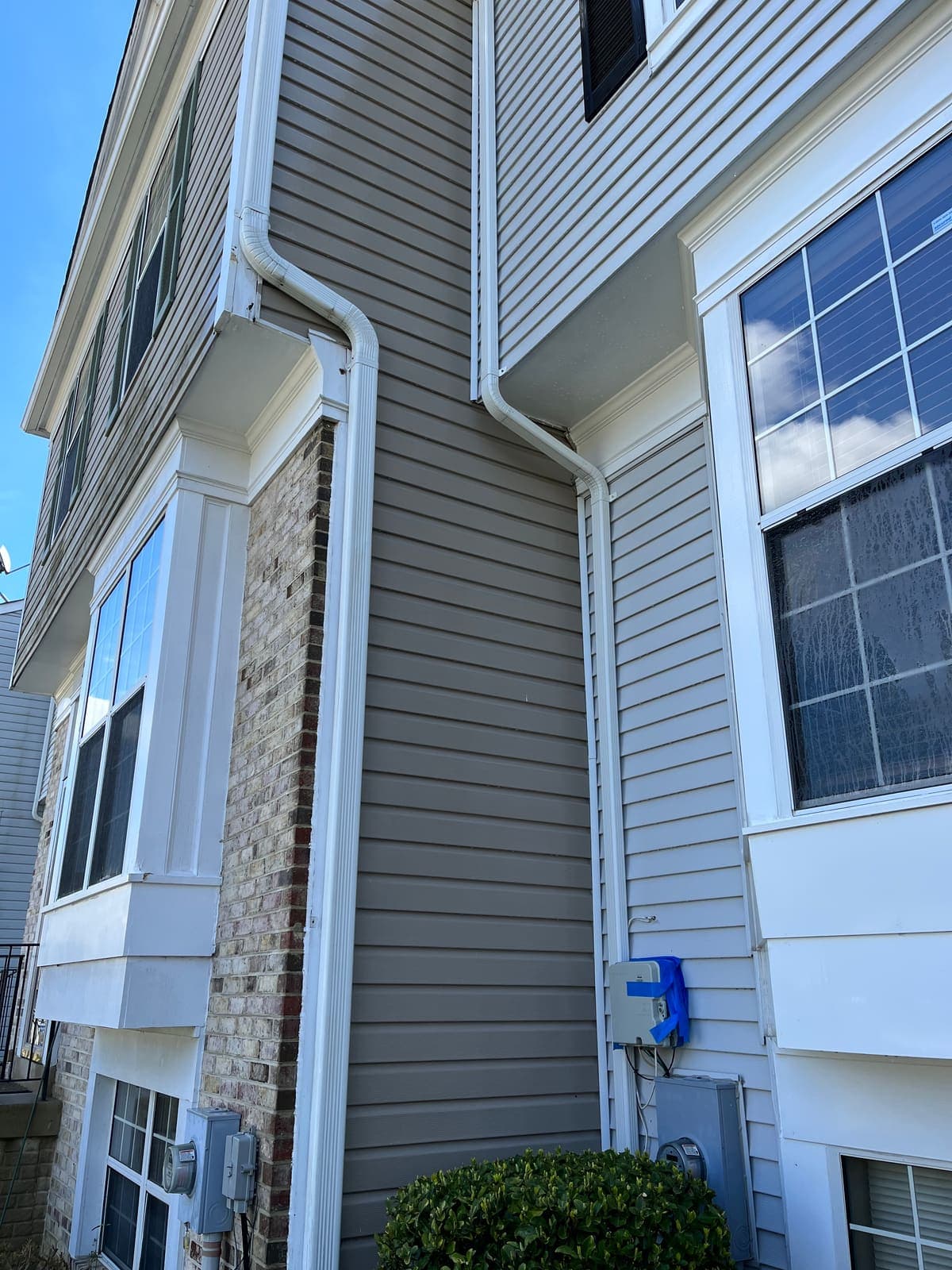
The key to understanding this is that soft washing does not clean by physically blasting or rinsing the growth away. It works by applying a solution that kills the moss, algae and lichen at the root during its dwell time. Once the growth is dead, removing the dead material is the easy part, and that is where rain comes in.
So the important step, the killing, happens during the dwell before any rain matters, and by the time rain falls the treatment has already done its work.
Why rain helps
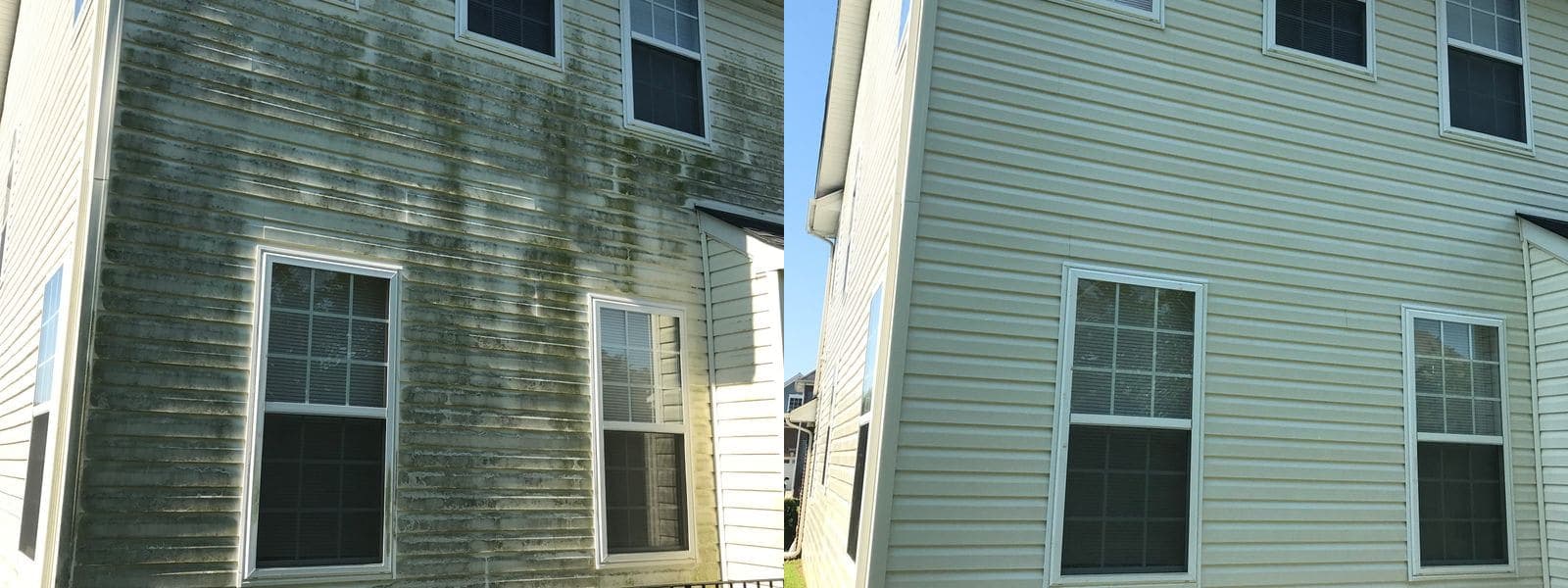
After a roof soft wash, the dead moss, algae and lichen release gradually and wash away over the following days and weeks. Rain is what does that rinsing, for free, which is why a soft-washed roof often keeps getting cleaner after the crew leaves. Far from ruining the job, our regular rain is what carries the killed growth off the roof.
That is also why a soft wash result is not always fully visible on the day; it continues to improve as the rain does the final rinsing. The treatment sets it up, and the weather finishes it.
What this means for scheduling
Practically, it means soft washing does not need to wait for a dry stretch and can be done through our wet season, which is one reason roof and house soft washing work well in the off-season. The crew works around heavy downpours during the actual application, but light rain afterward is welcome, not a problem.
So if you have been holding off on a roof or house clean because of the forecast, you do not need to. With soft washing, the rain is on your side. A soft wash can be scheduled year-round rather than only in summer.