
DIY vs Professional Exterior Cleaning: The Honest Math
When a job looks straightforward, renting a machine and doing it yourself seems like the obvious way to save money over hiring a professional. Sometimes it is. But the honest math often looks different once you add in everything the DIY route actually involves. Here is a clear-eyed comparison for a Lower Mainland home.
The real cost of DIY
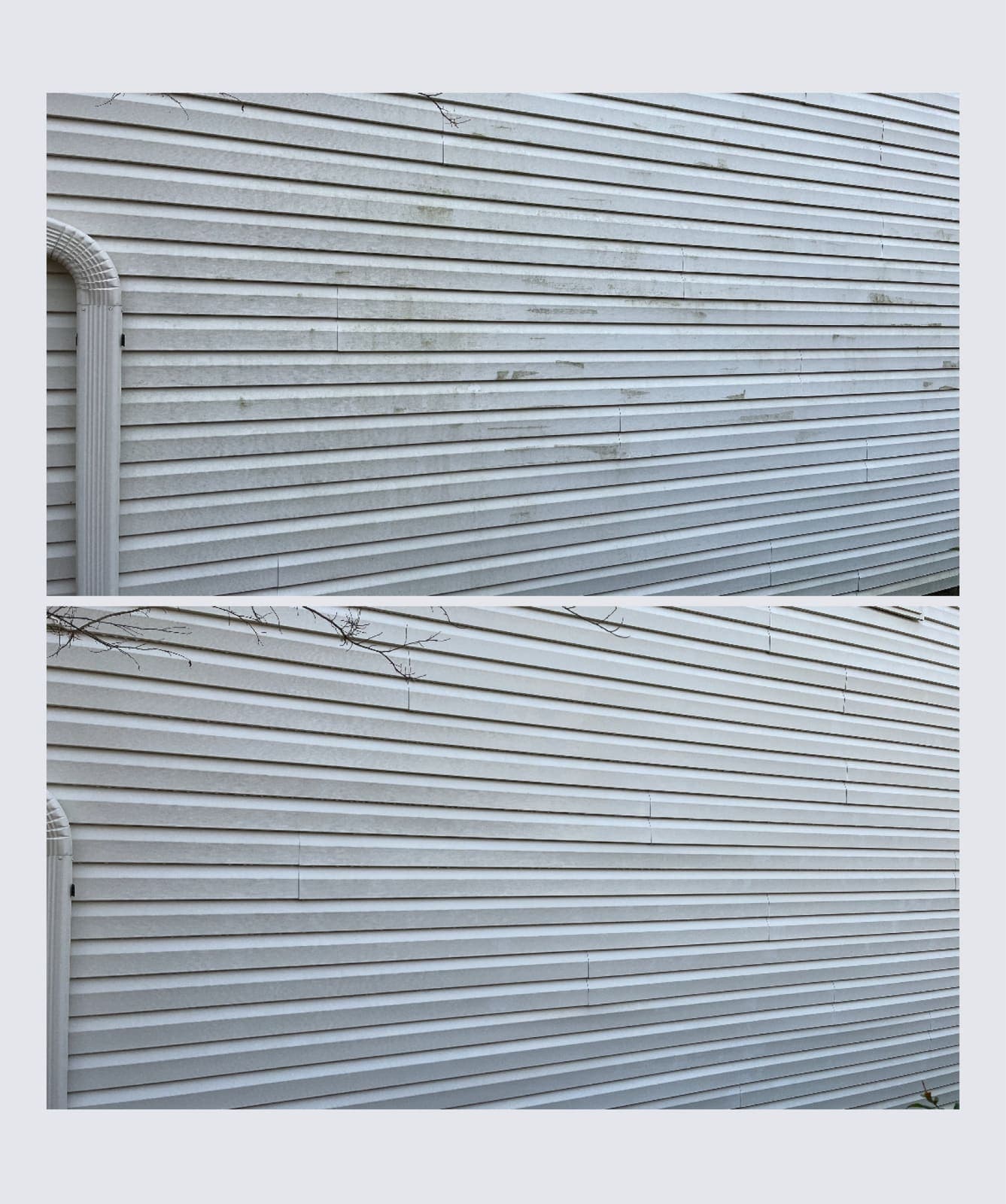
The rental fee is only the start. Add the cost of detergents and treatments, a surface cleaner attachment if you want an even finish, and the value of a full weekend of your time, and the gap to a professional quote narrows fast. Then there is the risk: high pressure in inexperienced hands damages siding, etches concrete, strips wood and voids roof warranties, and repairing that costs far more than the job would have.
DIY machines are also less powerful and lack the treatment systems that make results last, so the clean is often less effective and greens up sooner, meaning you do it again.
What you get with a pro
A professional brings the right method for each surface, soft washing where it belongs and pressure where it does not, commercial equipment, treatments that kill growth at the root so it lasts, and the experience to avoid damage. They carry insurance and WCB coverage, so the risk is not on you, and they do it safely, including the height work that causes DIY injuries.
The result is typically a better, longer-lasting clean, done in hours rather than a weekend, without the risk. For the whole exterior especially, the per-surface efficiency of a pro often makes the price gap smaller than expected.
When DIY makes sense, and when it does not
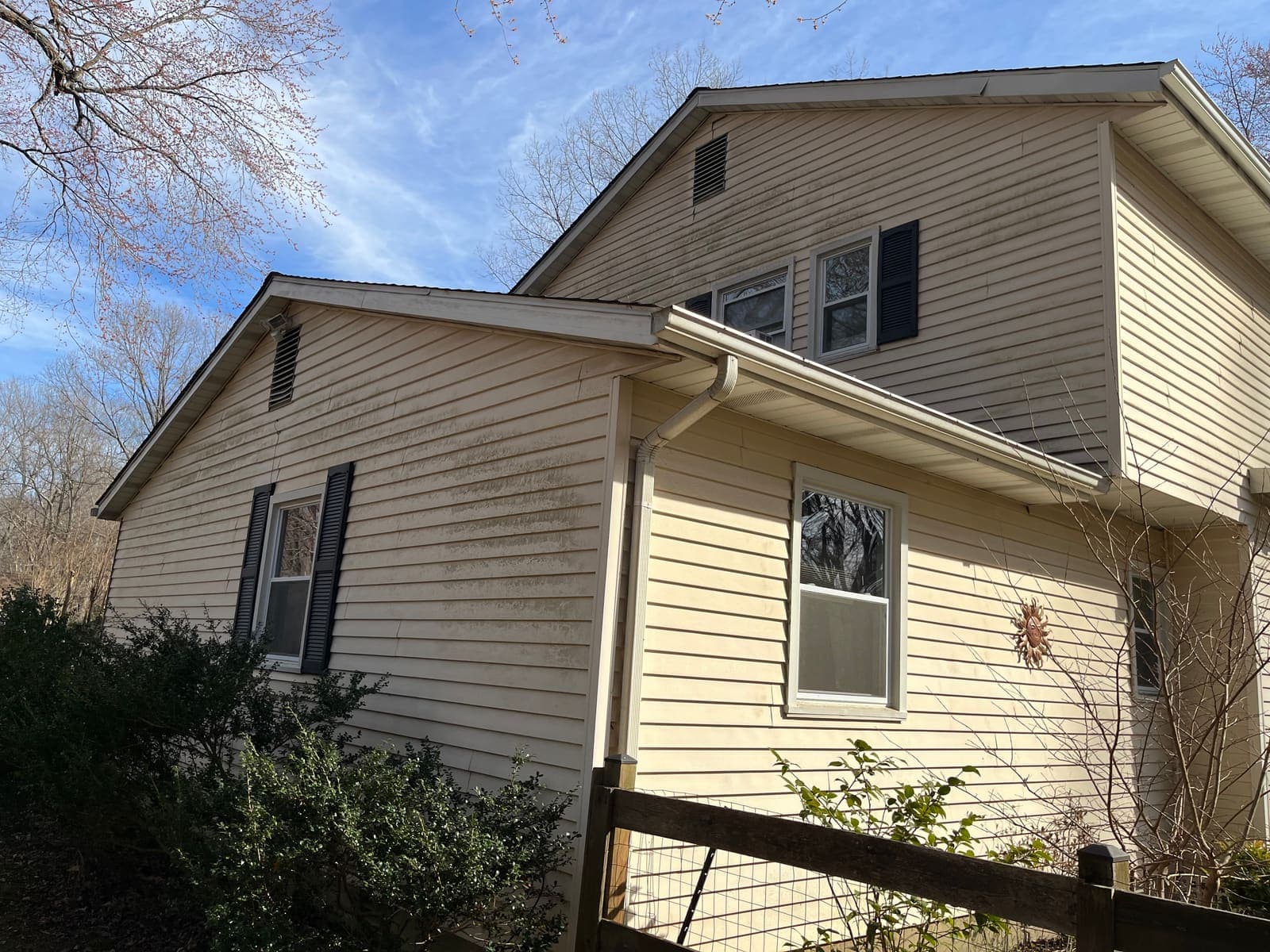
DIY can be reasonable for small, low-risk, ground-level jobs on durable surfaces, a bit of concrete you are happy to clean yourself, where the stakes and the height are low. It makes far less sense for roofs and siding, where the wrong method causes expensive damage, for tall or awkward work where safety is the issue, and for anything where a lasting result matters.
The honest bottom line: DIY saves money on small, safe jobs and can cost far more on the ones where method, height or durability matter. Matching the route to the job, rather than defaulting to whichever seems cheaper, is the real answer.