
Deck Mould and Mildew: Why It's a Winter Slip Hazard
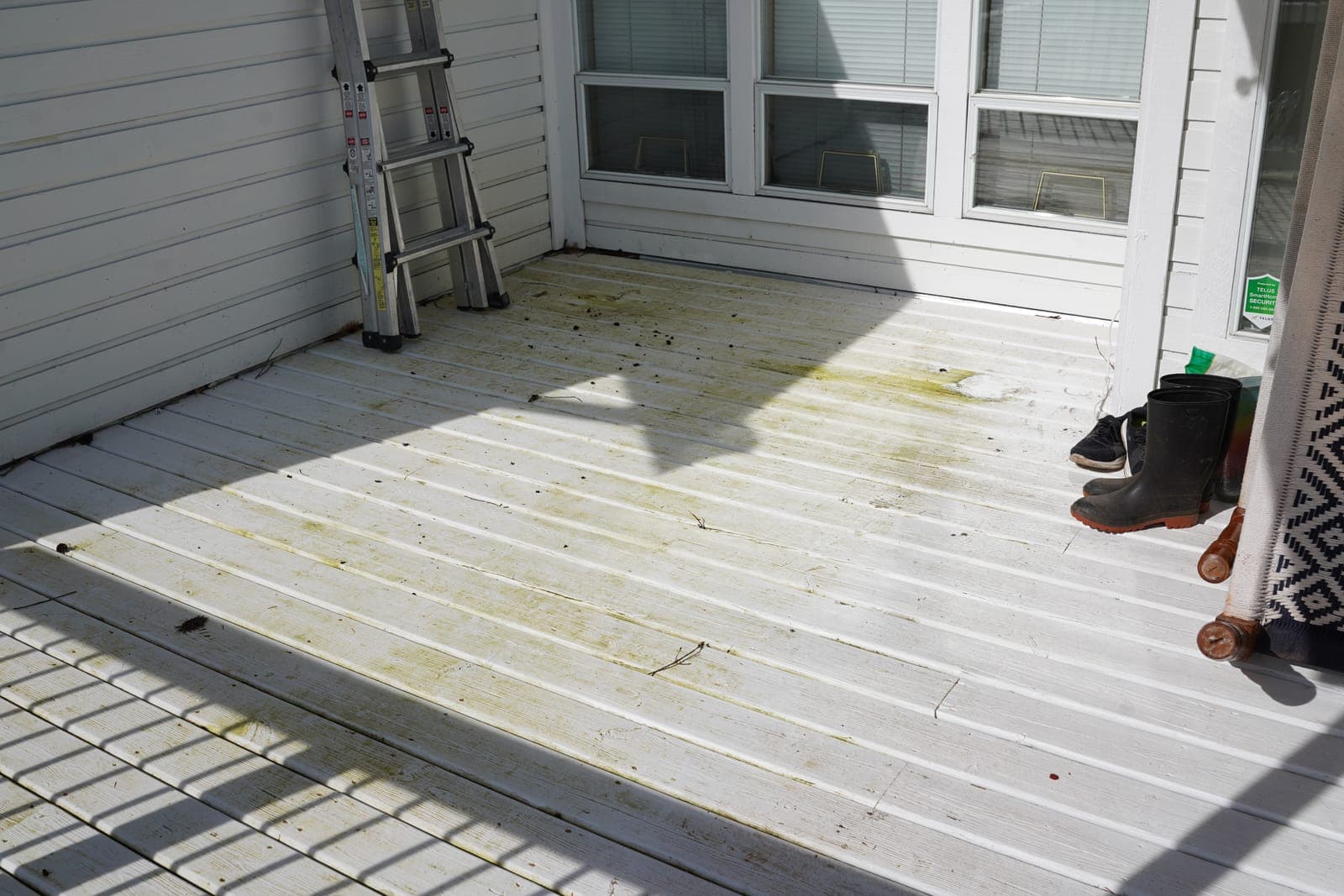
By the middle of a Lower Mainland winter, a lot of decks have turned dark, damp and dangerously slick. That greasy film underfoot is mould, mildew and algae, and on a raised deck or a set of deck stairs it is a genuine fall risk, not just an eyesore. It catches people exactly when the weather is worst.
Here is why decks get so slippery here and how to make them safe again.
Why decks turn slick in winter
Decks spend our wet season constantly damp and often shaded, which is ideal for mould, mildew and algae to colonise the surface. As the film builds, it gets slimy when wet, and a wet, slimy deck board or stair tread offers almost no grip. North-facing and tree-shaded decks are the worst, and deck stairs concentrate the danger.
It builds gradually over fall and winter, so people often do not notice how slick their own deck has become until someone slips.
Making it safe again
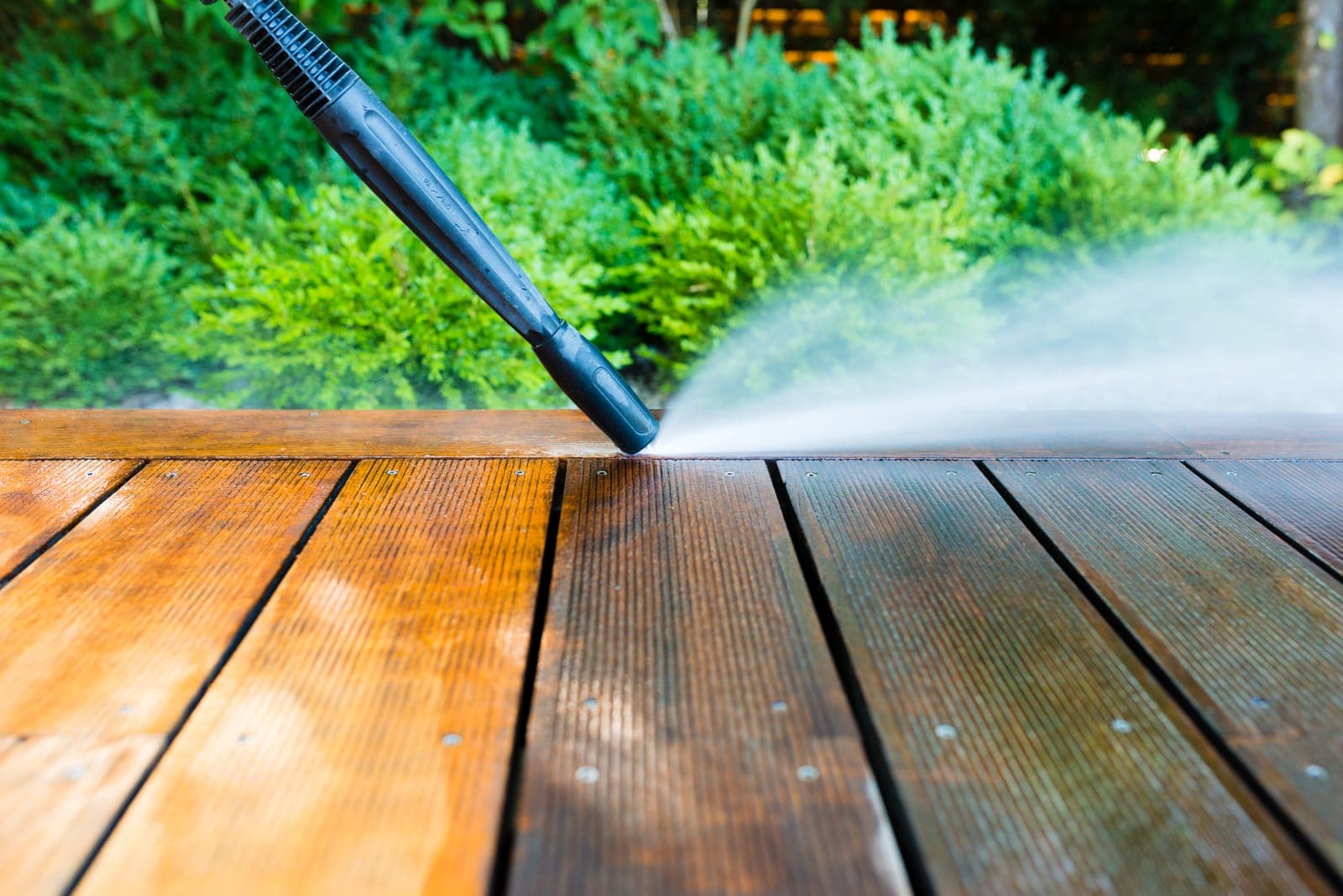
The fix is a proper clean that removes the growth rather than just rinsing the surface. A suitable cleaner breaks down the mould, mildew and algae, and the deck is rinsed at low pressure, safe for both wood and composite. Because the growth is killed rather than smeared around, the grip comes back and the deck stays clean longer.
The stairs and any shaded corners are the priority, since that is where the film is thickest and a fall does the most harm. Cleaning the ground-level concrete under a raised deck matters too, since that grows its own slick film.
Keeping the grip through winter
A clean going into fall sets the deck up for the wet season with a clear, grippy surface. On decks that go very slick, keeping leaves swept off, trimming back what shades them, and clearing the gaps between boards so they drain all slow the film's return.
For households with older residents or young children, a deck and stairs that stay grippy through winter are worth the modest cost of a seasonal clean. A quick look or a couple of photos are enough for a free quote.