
How Often Should Townhouse and Strata Gutters Be Cleaned?
Gutters on townhouses and strata complexes are shared infrastructure, and that changes the maintenance question. On a single home, neglected gutters are your own problem; on a strata, one clogged run can send water into a neighbour's unit or the building envelope, so the stakes and the coordination are different. Here is how often they need cleaning and how it is best handled.
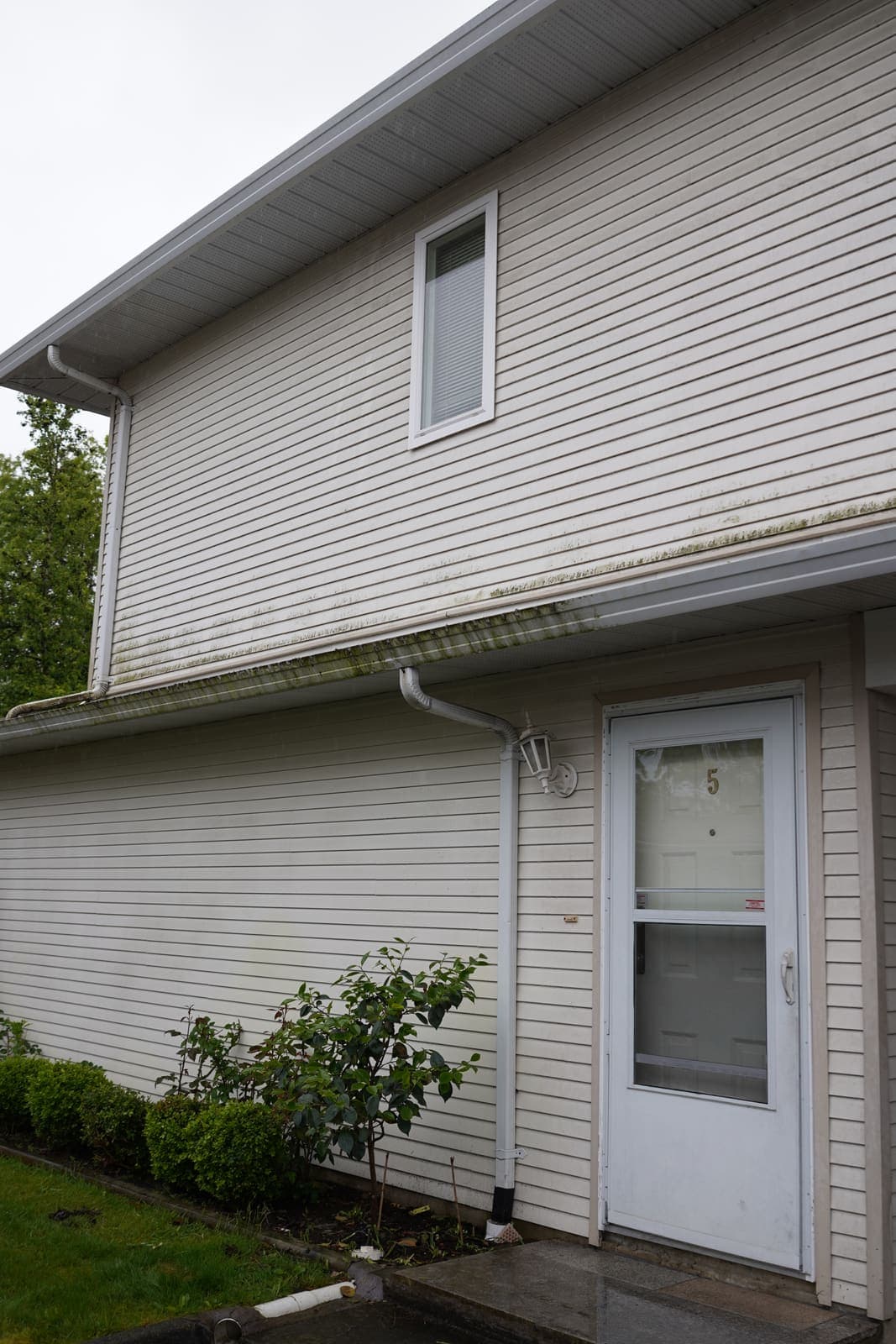
Why shared gutters need a schedule
In a townhouse or strata, the roofs and gutters are usually common property, and water does not respect unit boundaries. A blocked downspout on one unit can overflow and drive water into the building envelope or a neighbour's wall, and because no single owner feels responsible for a shared run, these gutters are easy to neglect until something leaks.
That is why strata gutters are best handled on a set schedule managed by the council or property manager, rather than left to chance. It is basic protection of a shared asset and a way to avoid liability for water damage.
How often
The frequency follows the same climate logic as any Lower Mainland home: at least twice a year for most complexes, late fall and spring, with a third clean where the buildings sit under heavy tree cover, which many do. Complexes surrounded by conifers need the downspout flushing done especially diligently, since needle plugs are the common failure.
The right interval is really set by the trees and exposure of the specific site, so it is worth assessing rather than guessing, and then locking into a recurring schedule.
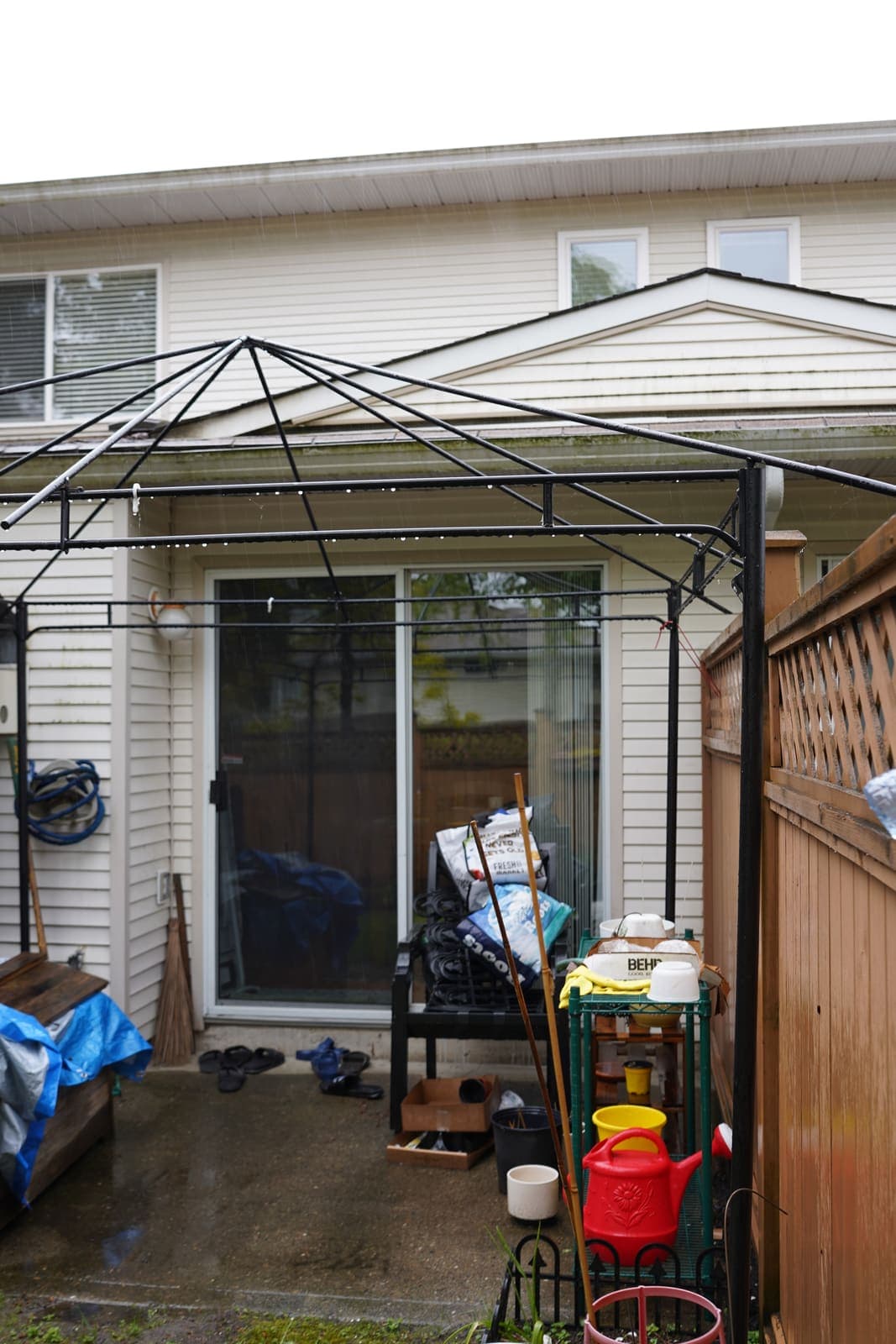
Coordinating it
For a strata, the efficient approach is a single contractor doing the whole complex on a recurring schedule, which is both cheaper per unit and ensures nothing is missed. Access and resident notice are planned in advance, and the work is documented for the council's records, useful for depreciation reports and demonstrating the asset is being maintained.
Multi-building sites and larger complexes are quoted by the scope and frequency involved. A walk-through establishes the right schedule for the site, after which it largely runs itself.