Solar Panel Cleaning: Keeping Output High in Coastal BC
Solar panels are an increasingly common sight on Lower Mainland roofs, and many owners do not realise that dirty panels quietly cost them output. Between our heavy spring pollen, dust, bird droppings and general grime, panels lose efficiency as they foul. Keeping them clean is a simple way to protect the return on a solar investment.
Why dirty panels lose output
Solar panels generate electricity from light reaching the cells, so anything that shades or films the glass, pollen, dust, bird droppings, grime, and even a build-up of algae around the edges, reduces the light getting through and cuts output. The loss is gradual and invisible, so owners often do not notice production quietly dropping over a season.
Our region is particularly hard on panels in spring, when the heavy pollen that films everything settles on the glass, and on roofs near trees or dust sources.
Cleaning them safely
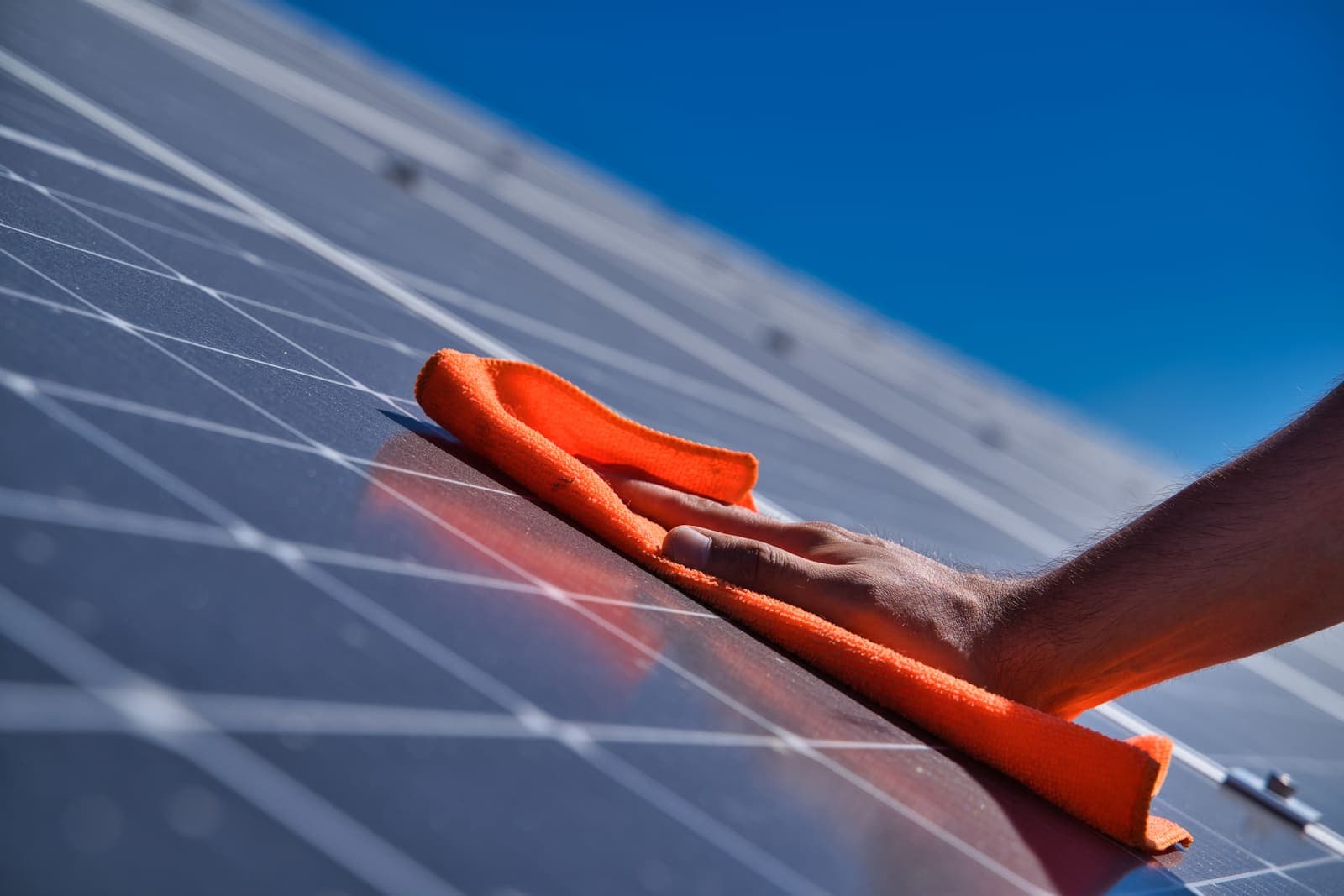
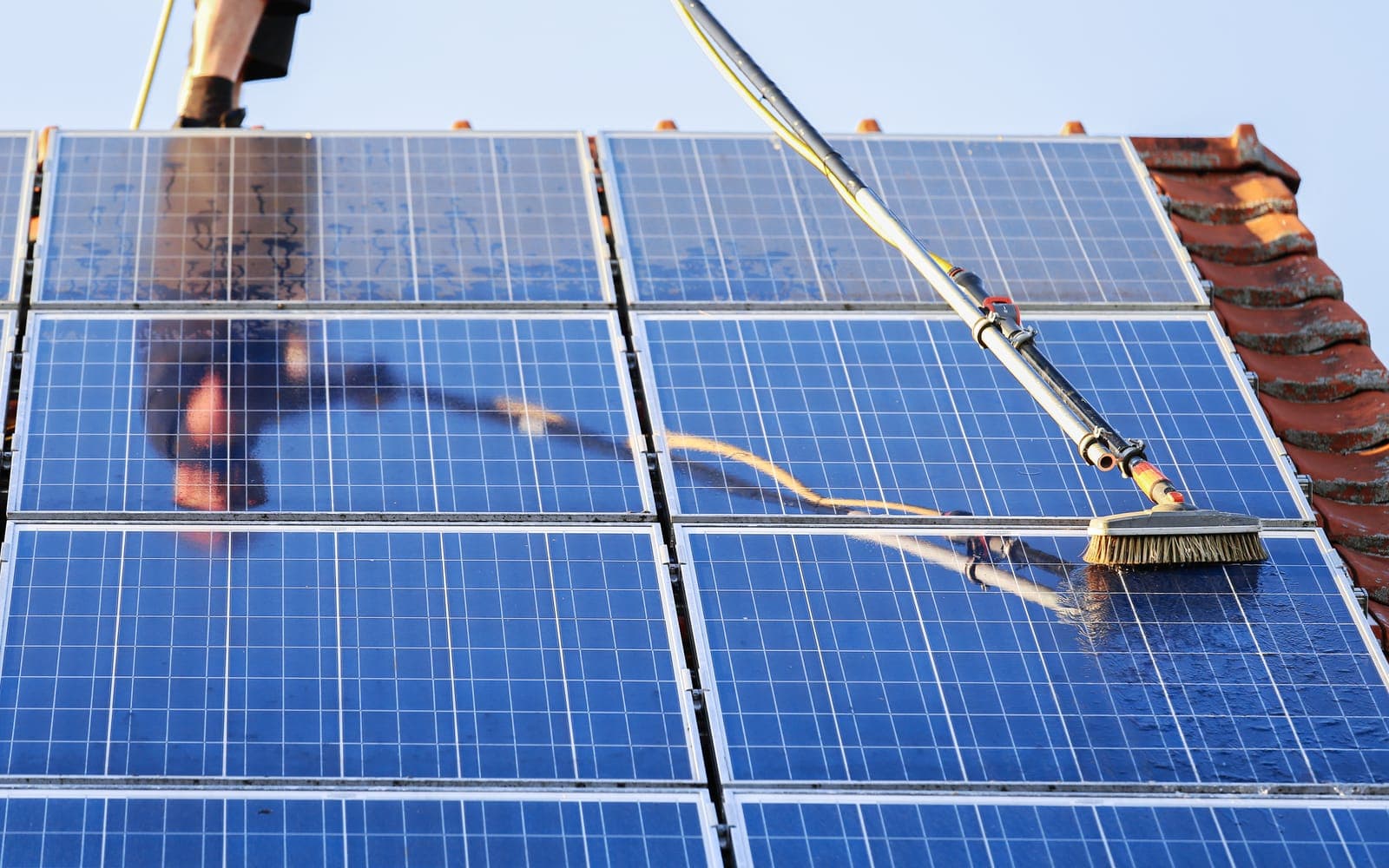
Solar panels are cleaned gently: a soft brush and appropriate water, often purified water that dries without leaving mineral spots, remove the pollen, dust and grime without scratching the glass or damaging the panels. High pressure and abrasive scrubbing are avoided, since they can damage the panel surface and seals, and manufacturers specify gentle cleaning.
It is rooftop work, so it is done with proper access and safety, and care is taken around the wiring and mounting. Keeping the surrounding roof clean helps too, since a mossy roof feeds growth and debris onto the panels.
Keeping production up
A periodic clean, particularly after pollen season, keeps panels producing at their best. How often depends on your surroundings, panels near trees, dust or heavy bird activity need it more than an open, exposed roof. If you have noticed output slipping, dirty panels are a common and easily fixed cause.
Solar panel cleaning pairs naturally with roof and gutter work, when a crew is already up there safely, which is the efficient way to keep the whole roof and its panels in good shape. A look from the ground helps advise on what the panels need.