
Rental and Investment Property Exterior Maintenance
For an owner of a rental or investment property, exterior maintenance is not about curb appeal for its own sake, it is about protecting the asset and heading off the expensive problems that neglect causes. A property that is quietly deteriorating outside costs far more in the long run. Here is a practical approach to keeping investment properties in good shape.
Why exterior upkeep protects the investment
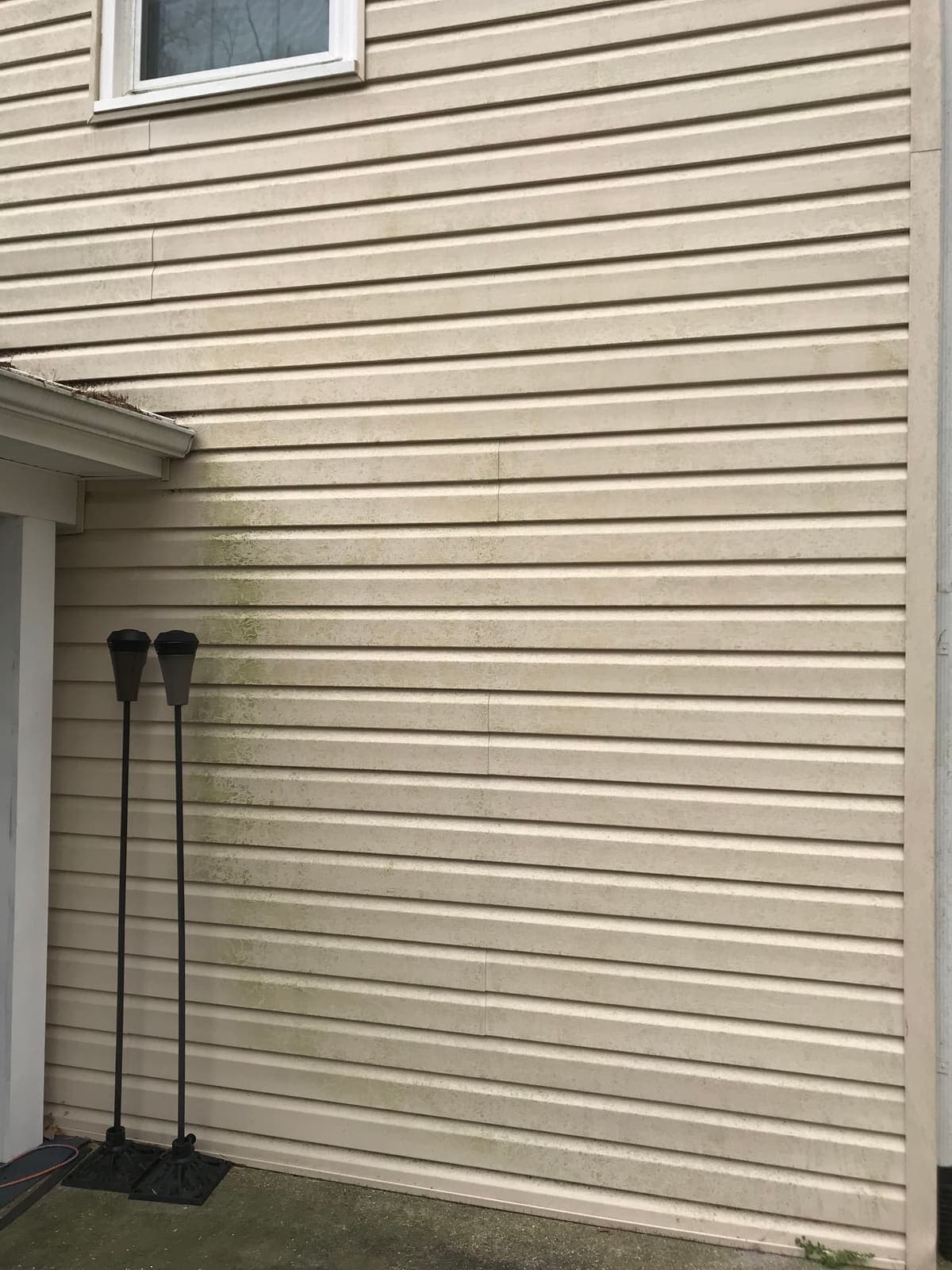
The exterior is the building envelope that keeps the property sound. Neglected gutters overflow and rot fascia and lead to water damage, moss shortens the roof's life and leads to leaks, and algae and grime on siding accelerate wear. Each of those is a repair, sometimes a major one, that regular, inexpensive maintenance prevents. For a property held as an investment, that math is straightforward.
There is also the tenant and turnover side: a well-kept exterior helps attract and retain good tenants and presents the property well between rentals and to prospective buyers.
The maintenance that matters most
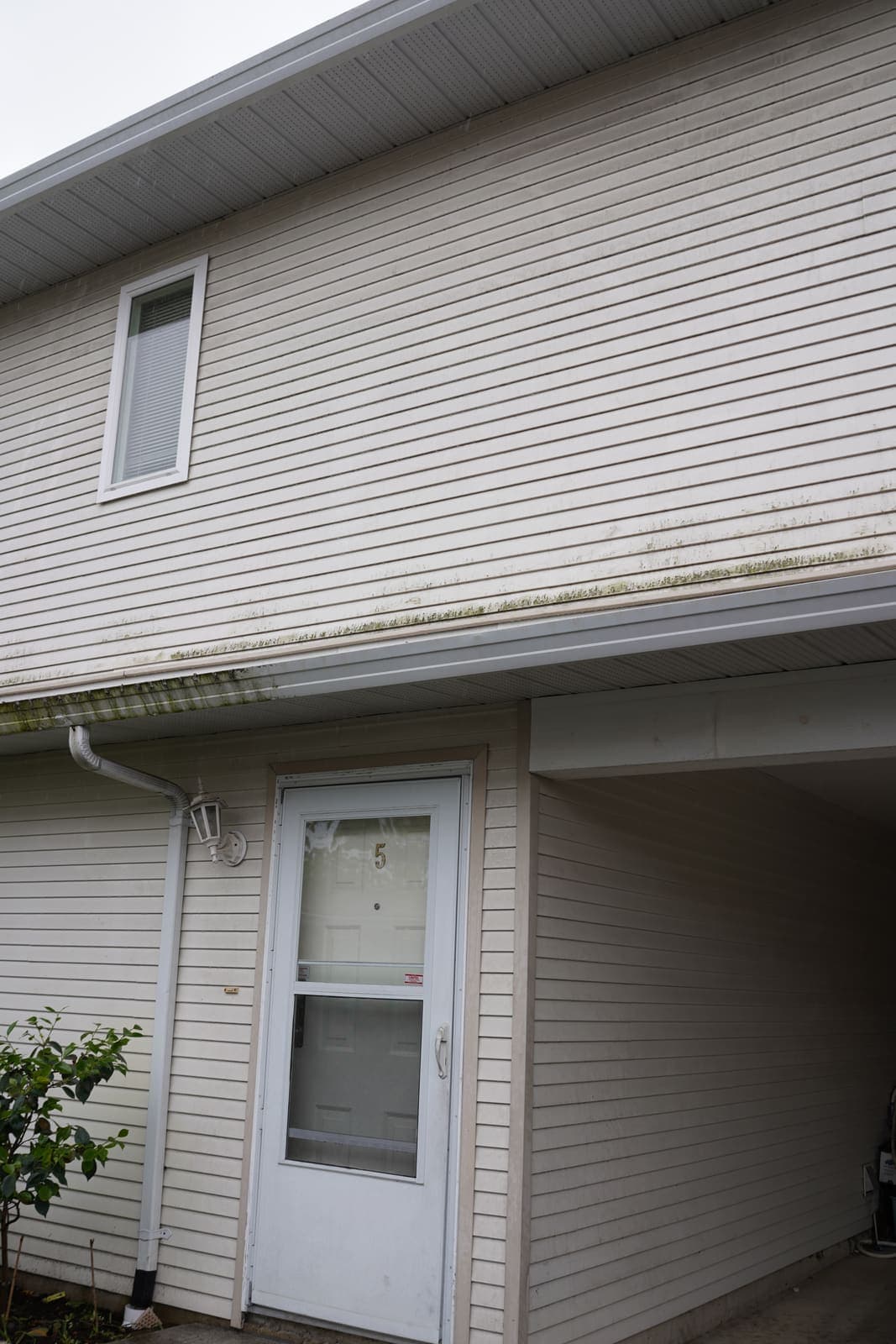
The highest-value exterior maintenance on a rental is the protective kind: regular gutter cleaning so water is managed and the fascia and foundation are protected, roof soft washing to keep moss from shortening its life, and periodic house washing to keep the siding sound and presentable. Walkways and stairs matter too, both for wear and for the slip-and-liability risk that comes with tenants.
Because tenants often will not report gradual exterior issues, a scheduled maintenance approach catches problems the way an owner-occupier would notice them.
A scheduled approach
The efficient way to handle it is a regular schedule rather than reacting when something looks bad or fails, since reactive maintenance on a property you do not live at tends to mean problems are caught late. Scheduling gutter cleaning, roof checks and periodic washing keeps the property protected and the costs predictable.
For owners with several properties, a single provider handling them on a recurring schedule is both cheaper per property and simpler to manage. A walk-through establishes the right plan for each property and its exposure.