
North-Facing Roofs and Why They Green Up First
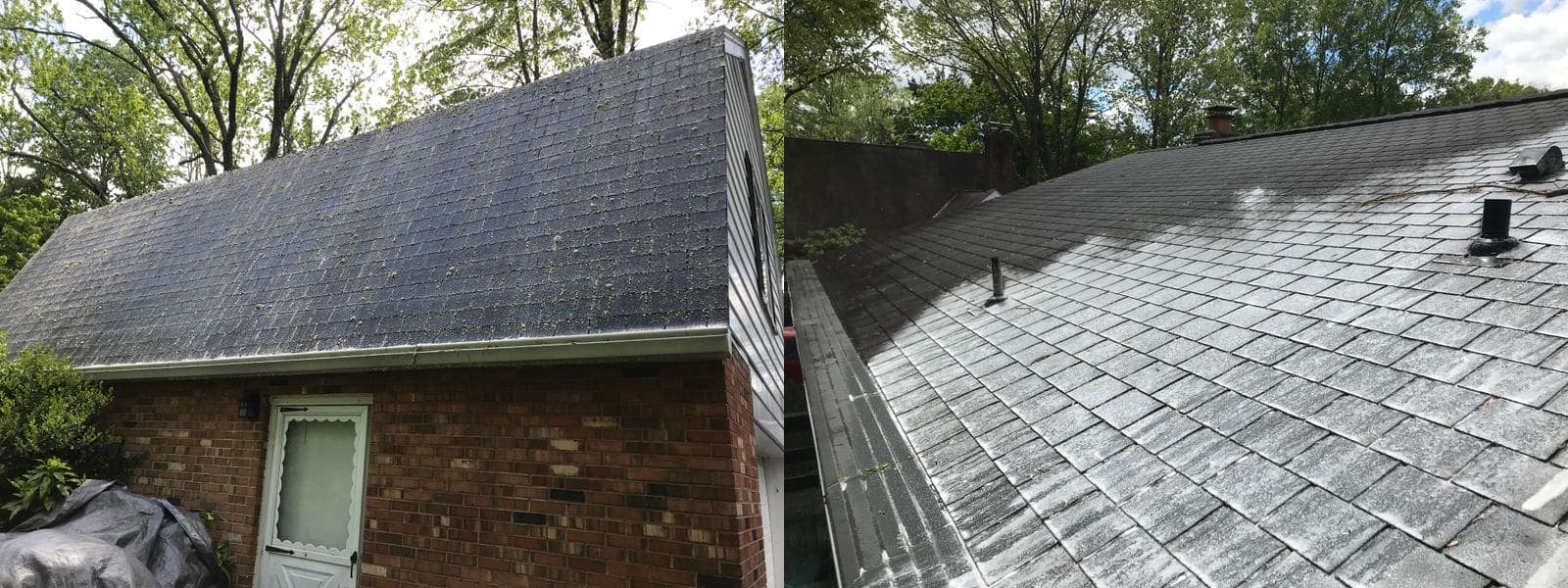
Stand back from most Lower Mainland homes and you will see it: one roof slope is dark and mossy while another looks comparatively clean. It is the same roof, the same age and the same shingles, so the difference is not the material. It is the sun, or the lack of it.
Here is why north-facing slopes green up first and what that means for cleaning.
Why the north slope loses
Moss and algae need moisture and low light, and a north-facing slope gives them both. It gets the least direct sun through the day, so after our frequent rain it stays damp far longer than the south slope, which dries out. Add shade from trees or a neighbouring building and that slope barely dries at all through the wet season.
So the growth establishes on the north and shaded slopes first and stays there longest, while the sunny slopes hold out. It is the same reason the north wall of a house greens before the others.
What it means for cleaning
It does not usually make sense to clean only the mossy slope and leave the rest, because the growth spreads by spores and the whole roof benefits from treatment. But it does mean the north and shaded slopes are the ones to watch, and the parts that will green up again first after a clean.
It also explains why a roof can look fine from the street, where you often see the sunny front slope, and be heavily mossed on the back or north side that you never see from the ground.

Keeping the shaded slope in check
After a soft wash, the things that slow regrowth matter most on the shaded slope: trim back branches that shade and drip on it, keep it clear of leaf and needle debris that holds moisture, and consider zinc or copper strips whose runoff discourages growth. A light maintenance treatment keeps the north side ahead of the moss.
When you book a clean, mention which slopes are worst so the crew can pay particular attention to the shaded ones. If you cannot see the back or north slope from the ground, it is worth checking, since that is usually where the real growth is.