
Case Study: A Storefront Facade Refresh for a Local Business
This is a representative example of the commercial work we do regularly: a local business whose storefront had quietly gone tired, dingy facade, a grimy entrance, and a sidewalk spotted with gum, brought back to a sharp, welcoming look. It shows how much a facade refresh does for a business for a modest, recurring cost.
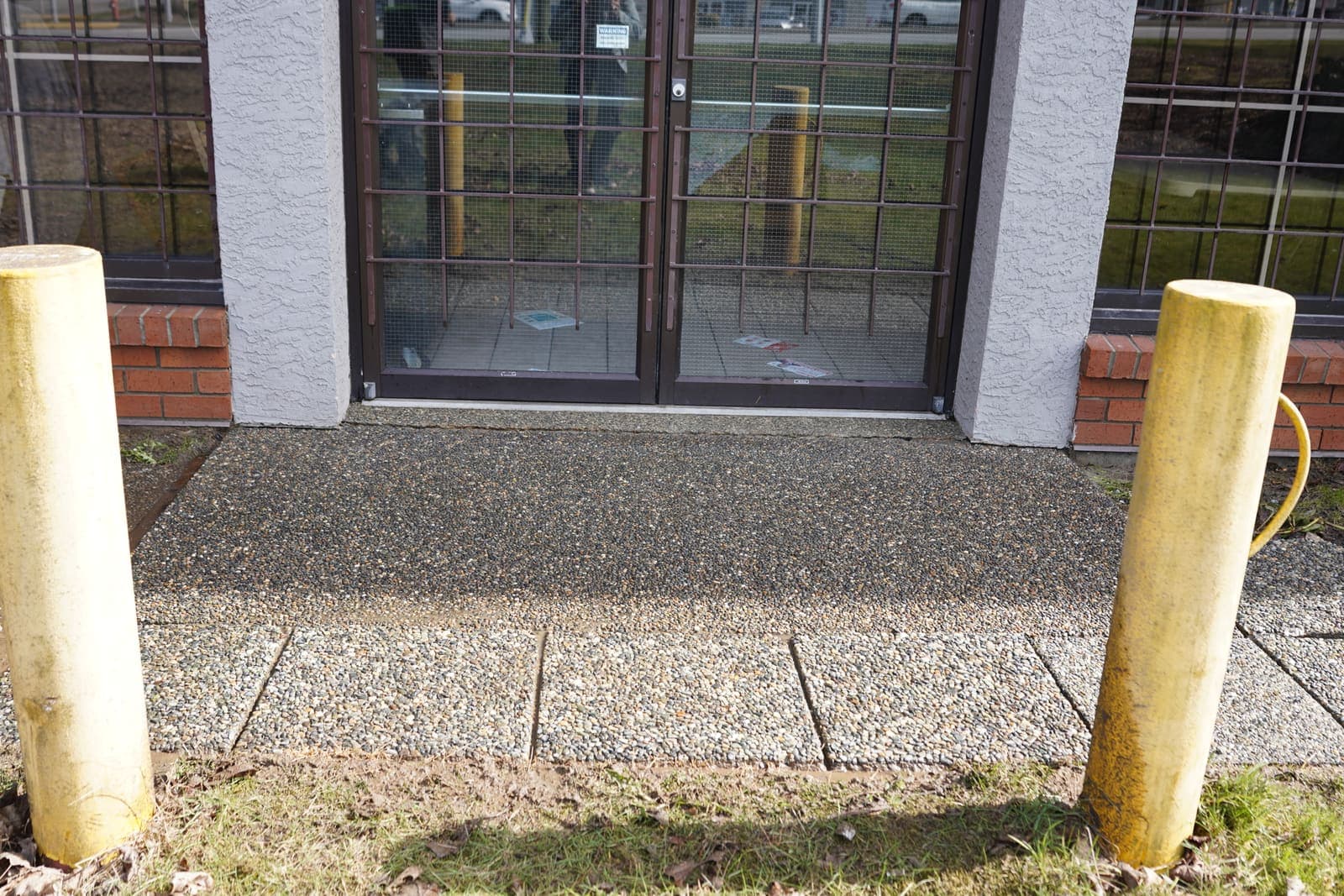
The starting point
A storefront like this has usually not been cleaned in a while, and it shows in the way that quietly turns customers off: a facade dulled by grime and algae, cobwebs and dirt around the signage and entrance, filmed-over windows and glass doors, and a sidewalk marked with gum, stains and moss at the edges. None of it is dramatic, but together it reads as a business that has stopped paying attention to details.
The owner often does not notice how far it has drifted, because the change is gradual and they see it every day.
The refresh
The work covers the customer-facing exterior surface by surface: the facade and signage areas are cleaned appropriately for their material, the entrance and sidewalk are pressure washed to remove grime, gum and stains with the moss treated so it does not return quickly, and the windows and glass doors are cleaned so customers see in clearly. It is scheduled around business hours, early or after close, so trade is not disrupted.
The difference is immediate: the same storefront reads as bright, cared-for and welcoming rather than tired.
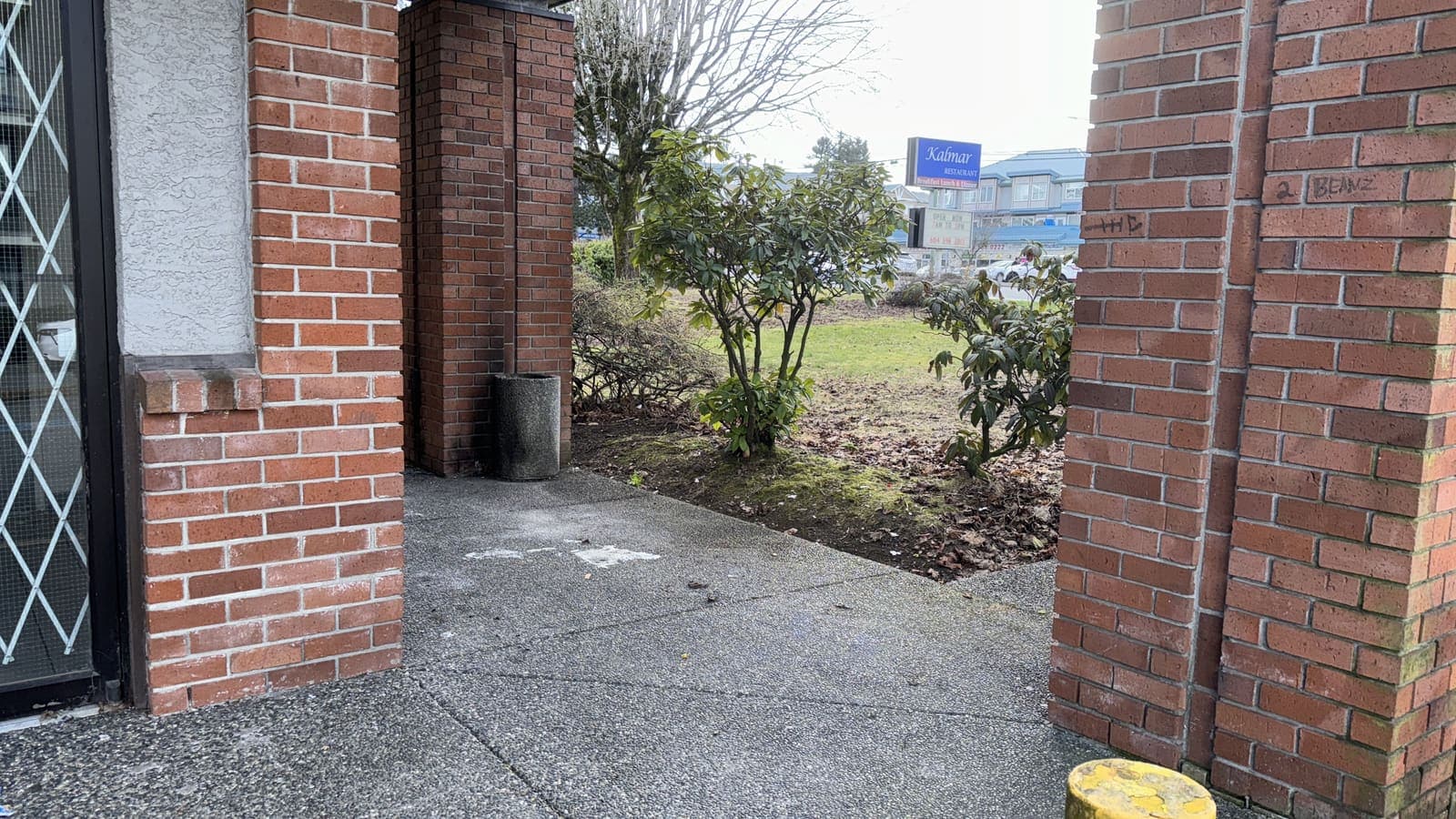
The result and keeping it up
A refreshed facade changes the first impression a business makes, which is the impression that decides whether a passer-by comes in. For a modest cost relative to what it protects, it signals care and quality before a customer is even through the door.
Because a frontage keeps taking foot traffic and weather, the businesses that stay sharp keep it on a regular schedule rather than a one-off. A refresh like this often becomes a recurring clean that keeps the storefront consistently welcoming. A walk-through or a few photos scope it.