
Atmospheric Rivers and Your Home Exterior: Storm Prep
Atmospheric rivers have become a familiar part of Lower Mainland winters, dumping an extraordinary volume of rain in a short window. When that much water arrives at once, the parts of your home that manage it are tested to their limits, and anything neglected tends to fail exactly when the storm is at its worst. A little preparation makes the difference.
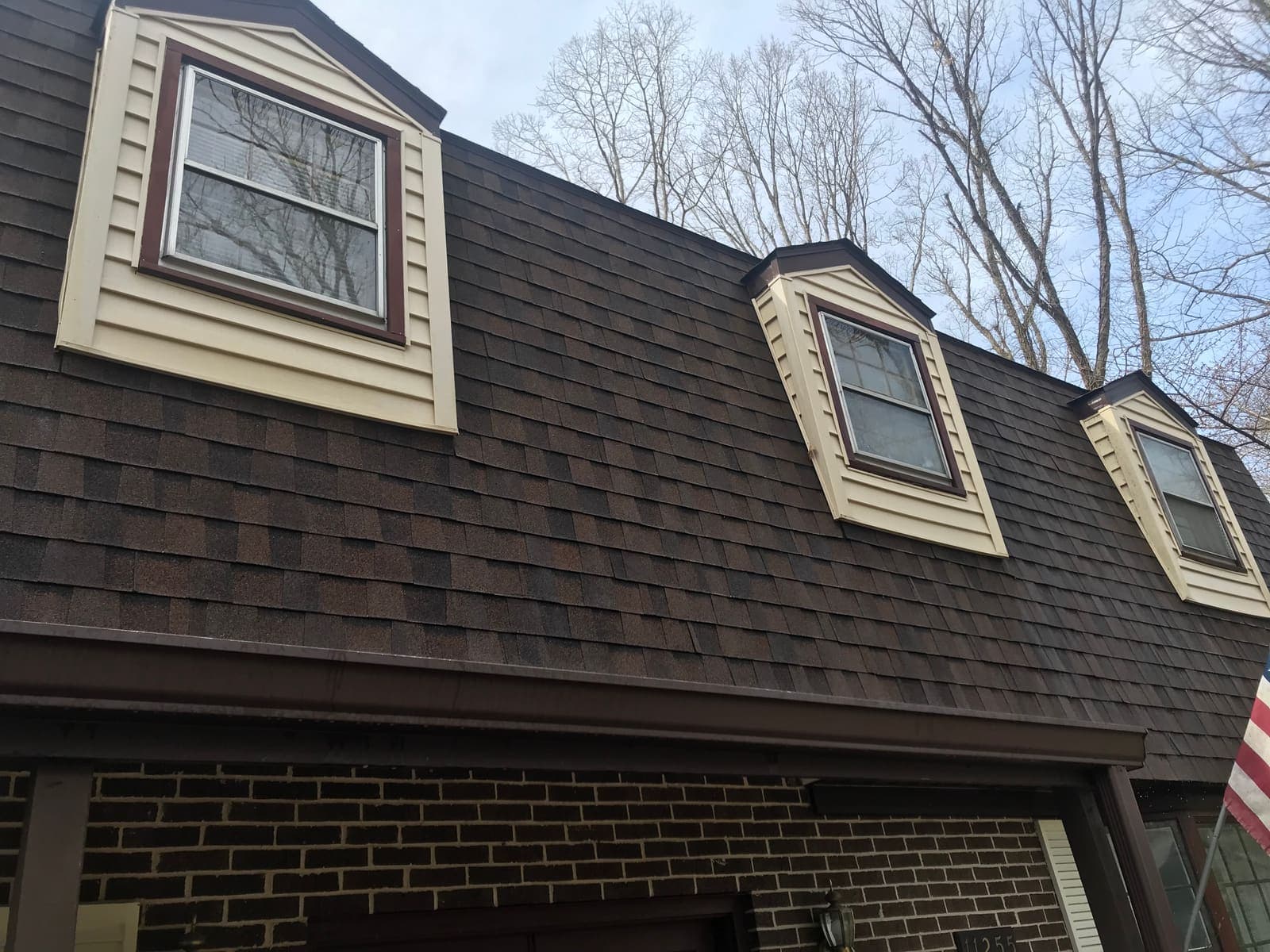
What an atmospheric river does to a home
These storms drop far more rain, far faster, than an ordinary wet spell. Every drop lands on the roof and heads for the gutters and downspouts, and if those are clogged or draining poorly, the system is overwhelmed in minutes. Water then sheets over gutter edges, runs down walls, and pools against the foundation, which is where the expensive problems start.
The failures are predictable: clogged gutters overflow, blocked downspouts back up, and downspouts discharging at the wall dump concentrated water against the foundation just when the ground is already saturated.
How to prepare the exterior
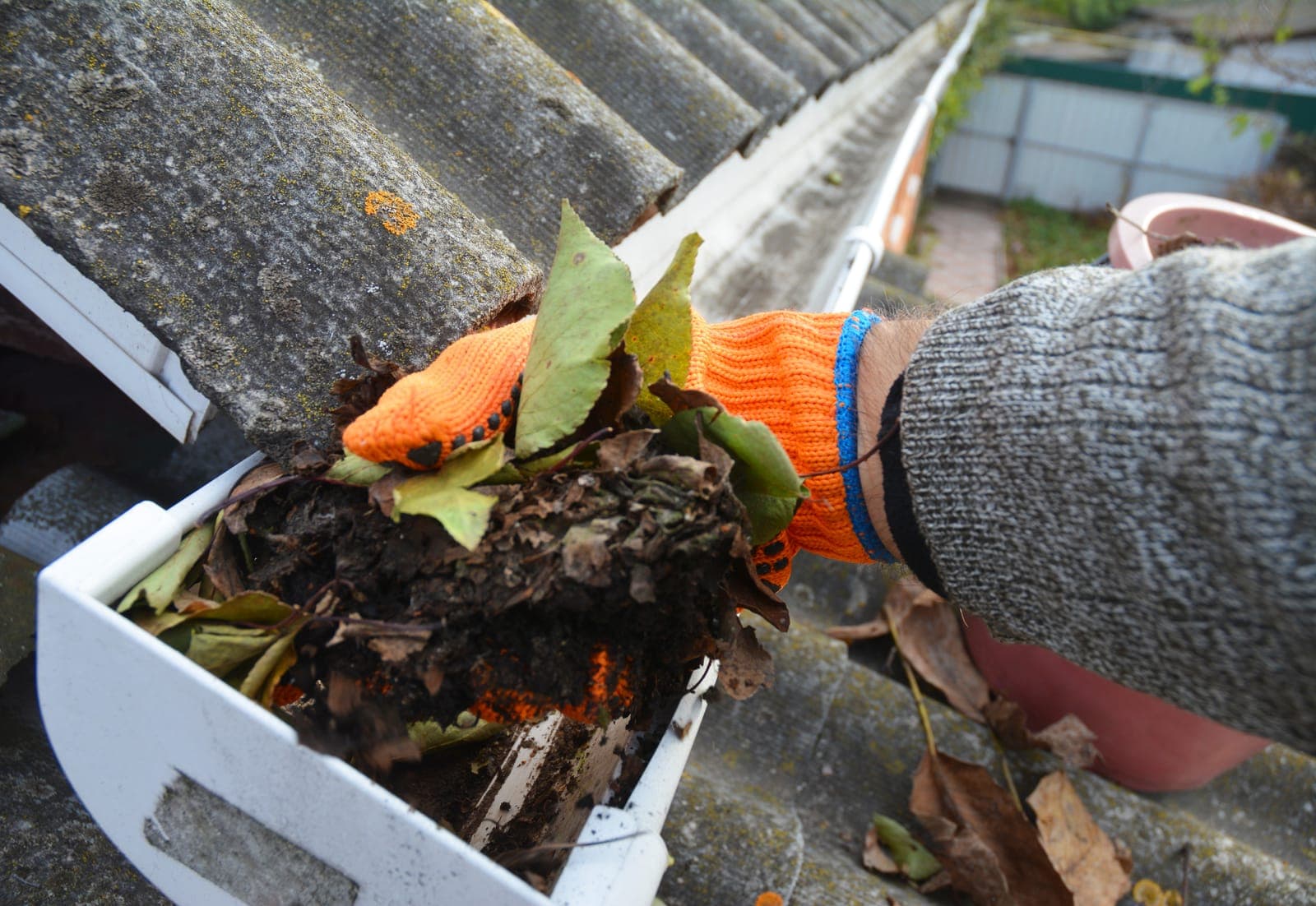
The core of storm prep is making sure water can get off and away from the house. That means clean gutters and flushed downspouts so the system drains at full capacity, and downspouts discharging well away from the foundation rather than at the wall. Clearing the roof of heavy moss that holds water and sheds debris into the gutters helps too.
Most of this is the same fall and pre-winter maintenance that protects a home through the whole wet season, done before the storms rather than after something has already gone wrong.
Timing and priorities
The time to prepare is before the wet season and its storms, not during a warning. If you can only do one thing, clear and flush the gutters and confirm the downspouts carry water away from the house, since that is the system that copes with, or fails under, the sudden volume.
Homes that stay on top of gutter and drainage maintenance ride out atmospheric rivers far better than those that do not. A pre-season clean and drainage check is cheap relative to the water damage a single overwhelmed storm can cause.