

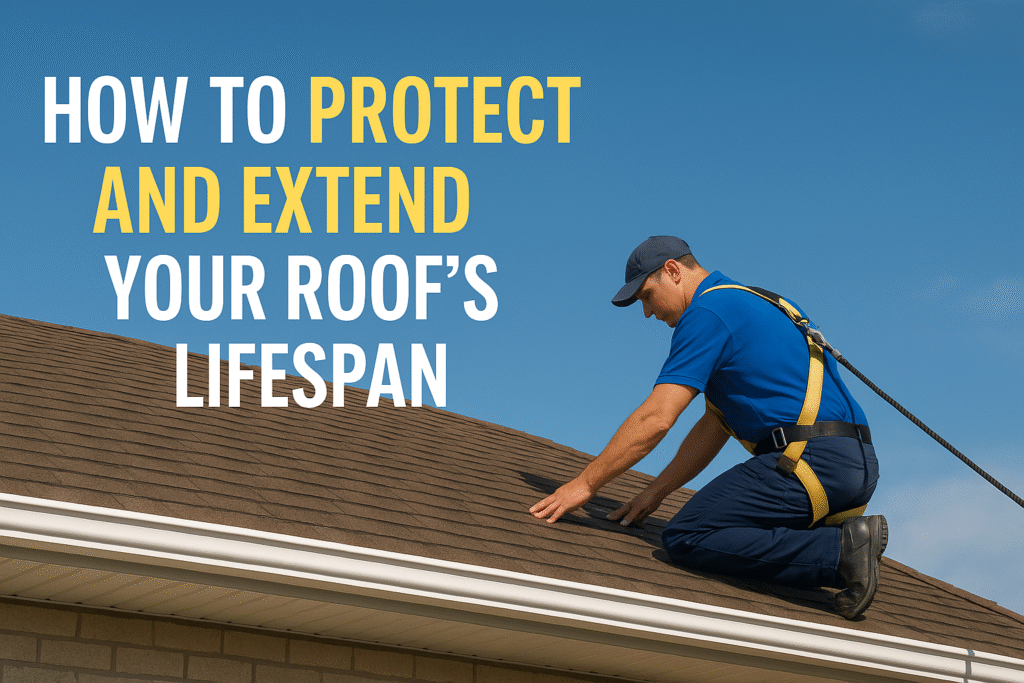
Your roof is your home’s first line of defense — against rain, snow, wind, sun, and the daily wear and tear of seasons. With a bit of care and attention, you can significantly extend its life, avoid expensive repairs, and keep your home safe and comfortable.
Here’s how to do it right.
1. Inspect Your Roof Regularly — Don’t Wait for a Leak
-
Schedule a roof inspection at least twice a year (for example, once in spring and once in fall).
-
Look for damaged, missing or curling shingles, worn flashing around chimneys or vents, cracked sealants, or any signs of water infiltration. Even small issues must be addressed early — delaying repairs can lead to leaks, structural damage, or expensive full-roof repairs.
-
If you’re unsure or not confident, hire a professional to inspect. Experts catch subtle problems that regular homeowners might miss (ventilation issues, under-deck moisture, hidden leaks).
Why this matters: Early detection of wear and damage lets you fix small issues before they escalate. That simple vigilance often adds years to a roof’s usable life.
2. Keep Your Roof, Gutters & Drainage System Clean
-
Remove leaves, branches, dirt, moss, and other debris from the roof regularly — ideally twice a year or more if you live near trees. This prevents moisture buildup, which can rot shingles or underlying wood, and supports proper water drainage.
-
Clean gutters and downspouts so rainwater drains properly. Blocked gutters force water to pool, potentially leaking under shingles or harming the fascia and soffits.
-
Consider installing gutter guards (or protective measures) if trees around your home shed often — this reduces debris build-up and lowers maintenance needs.
Why this matters: Water is one of the biggest threats to roofs. Proper drainage and a clean surface reduce rot, leaks, mold, and structural damage.
3. Control Moss, Algae & Biological Growth — Especially in Damp Climates
-
Roofs shaded by trees or in humid areas are prone to moss, algae, or lichen growth. These organisms hold moisture against the roof surface, lifting shingles or degrading protective layers.
-
Use gentle, roof-safe cleaning methods (soft-washing rather than high-pressure washing), or call professionals to remove growth and apply preventative treatments.
-
Trim overhanging tree branches so roof receives enough sunlight and airflow; this reduces shade and dampness which foster moss/algae growth.
Why this matters: Organic growth might look minor at first — but over months/years it degrades roofing materials and can lead to leaks or early failure.
4. Ensure Proper Attic Ventilation and Insulation
-
A well-ventilated attic prevents heat and moisture buildup under the roof deck. Poor ventilation can cause shingles to overheat, warp, or age prematurely; in winters, it can contribute to ice-dams.
-
Proper insulation alongside ventilation helps regulate temperature extremes — reducing thermal stress on roofing materials, and improving energy efficiency for the home as a bonus.
Why this matters: A roof doesn’t just deal with weather outside — what’s happening beneath matters a lot. Balanced ventilation + insulation greatly extends lifespan.
5. Address Minor Repairs Immediately — Don’t Wait
-
If you notice a cracked shingle, loose flashing, broken caulk around vents/chimneys, or a minor leak — fix it as soon as possible. Minor damage left unchecked becomes bigger problems later.
-
Use quality materials compatible with your roof type. Cheap patch-ups often fail.
-
For complicated repairs — especially involving structural issues or water infiltration — consider calling a professional roofer rather than DIY.
Why this matters: Timely repairs prevent bigger damage, saving you from costly replacements or interior damage (walls, insulation, ceilings).
6. Prepare for Seasonal Challenges — Weather & Climate Care
Depending on your local weather (heavy rain, snow, heat, humidity), adapt maintenance:
-
Before rainy seasons: clean gutters, check flashing & caulk.
-
After storms or heavy winds: inspect roof for displaced shingles, damaged vents, or leaks.
-
In snowy climates: ensure insulation & ventilation are optimal to prevent ice-dams. If snow accumulates heavily, safely remove excess (or get a pro to do it).
Why this matters: Weather is unforgiving over time. Seasonal maintenance keeps your roof ready for what nature throws at it.
7. Use Protective Coatings or Sealants (If Applicable)
For certain roof types (metal, shingles, tiles), applying protective coatings or sealants helps resist UV damage, water infiltration, and general wear. Sealed flashings and properly maintained gutters/soffits add extra protection.
If you offer cleaning / maintenance services (as Splash N Shine might), this is a great add-on service homeowners often overlook.
8. Consider Professional Maintenance & Annual Roof Service Contracts
DIY is fine — but a professional inspection and cleaning once a year ensures nothing is missed. Experts check:
-
waterproofing integrity
-
ventilation & insulation status
-
flashing and caulk around chimneys/vents
-
hidden moss or algae growth
-
gutter stability and drainage
Many homeowners find that a maintenance contract or periodic professional service prolongs roof life by 5-10 years or more.
Why Roof Maintenance Is a Smart Investment — Not a Chore
| Benefit | What It Means for You |
|---|---|
| Avoid expensive emergency repairs | Small fixes now prevent leaks, structural damage, and interior issues later |
| Extended roof lifespan | With care, a roof can last well beyond its typical warranty period |
| Improved home safety and comfort | No surprise leaks, rot, or insulation problems — plus better ventilation & energy efficiency |
| Enhanced property value | A well-maintained roof increases curb appeal and resale value |
| Peace of mind | Knowing your roof is in good shape makes storms, heavy rain, and seasonal shifts less stressful |
Final Thoughts — Treat Your Roof as an Investment
Your roof isn’t a “set it and forget it” part of the home. With changing seasons, weather, and natural wear, it needs regular attention.
But — the effort pays off. A few inspections, cleanings, and timely repairs every year can easily give your roof an extra 5, 10 or more years of reliable service.
